November 5, 2026
Renting a dumpster is one of the easiest ways to handle a big cleanout, remodel, roofing job, or landscaping project. Instead of making trip after trip to the dump, you get one container right on your property that holds everything until the job is done. Still, a little planning before the truck shows up can make the whole experience smoother.
Taking a few simple steps ahead of time helps the driver place the container safely, protects your property, and keeps your project on schedule. Below, we'll walk through what to do before your dumpster rental arrives so you're ready to start filling it the moment it's dropped off.
Choosing the Right Placement Spot
The first step is deciding exactly where the dumpster should go. Most people choose a driveway because it's flat, solid, and easy for a truck to reach. Wherever you put it, the spot should be close enough to your work area that you're not hauling debris across the whole property, but not so close that it blocks doors, garage access, or walkways you'll need during the project.
Think about how long the container will sit there, too. If you need to park cars, receive deliveries, or keep a path open for neighbors, plan around that now. It's also smart to mark the spot with cones or a tarp so the driver knows exactly where you'd like it. Our team is always happy to talk through placement options before your dumpster rental is scheduled.
Clearing a Path for the Delivery Truck
Roll-off trucks are large, and they need room to maneuver. Before delivery day, walk the route from the street to your placement spot and look for anything that could get in the way. Move vehicles, trailers, trash cans, kids' toys, and lawn equipment so the driver has a clear path in and out.
Don't forget to look up. Low tree branches, power lines, gutters, and roof overhangs can make it hard for the truck bed to tilt and slide the container into place. If there's something overhead you're unsure about, let us know when you book. We'd much rather plan around it in advance than discover a problem when the truck pulls in.
Protecting Your Driveway and Lawn
A loaded dumpster is heavy, and that weight sits on one spot for days or even weeks. On asphalt, especially newer or softer pavement, the steel rails can leave marks or small dents. Laying down plywood boards where the container will rest helps spread out the weight and protect the surface underneath.
If you're placing the dumpster on grass or gravel, keep in mind that wet soil can rut under the truck tires and the container. Choosing the firmest, driest area available makes a big difference. It's also worth checking for sprinkler heads, septic lines, or buried utilities near the spot, since you'll want to keep the container and truck well away from them.
Checking Permits and HOA Rules
If the dumpster will sit entirely on your private property, you usually won't need a permit. However, placing it on the street, a sidewalk, or a shared right-of-way may require approval from your city or county. Rules vary by location, so it's a good idea to check with your local office before delivery.
Homeowners associations often have their own guidelines, too. Some limit how long a container can stay on site, where it can be placed, or whether it needs to be screened from view. Getting the green light ahead of time helps you avoid fines or an awkward conversation with the neighbors halfway through your project. It's also courteous to give nearby neighbors a quick heads-up, especially if the truck will need to back in near a shared driveway or property line. Most people appreciate knowing what to expect, and it can help keep street parking clear on delivery morning.
Planning Around Slopes and Mountain Terrain
Properties around Western North Carolina often come with steep driveways, winding roads, and uneven ground. A container that's placed on a sharp slope can shift as it fills, and it can make loading and pickup more difficult. Whenever possible, choose the most level spot you have.
If your property is hilly or your driveway is narrow, share those details when you call. Photos can help, too. Knowing what to expect lets us plan the right approach and choose a size that fits your space. A bit of extra communication up front can save time and prevent headaches on delivery day.
Sorting Materials Before Delivery
Before the dumpster arrives, take some time to look at what you'll be throwing away. Separating items that can be donated, sold, or recycled keeps them out of the landfill and frees up space in the container for true debris. More communities are paying attention to this, too. According to Intelmarketresearch.com, cities with "zero waste to landfill" initiatives are seeing 30 to 40 percent higher dumpster rental adoption rates than regions that don't participate.
It's also important to know what can't go in the container. Items like paint, chemicals, batteries, tires, and certain appliances are often restricted, and the rules can vary. If you're unsure about anything on your list, ask us before you start loading. Sorting your materials early also makes it easier to choose the right container size, which helps you avoid paying for space you don't need or running out too soon.
Planning Ahead for Weather
Mountain weather can change quickly, and it can affect your project more than you might expect. Heavy rain can soften the ground where the dumpster will sit, while snow and ice can make steep driveways tough for a large truck to handle. Keeping an eye on the forecast in the days leading up to delivery helps you adjust plans if needed.
If a storm is on the way, consider clearing snow from the placement area or laying down boards to firm up soggy ground. Having a tarp ready is also useful, since it keeps rainwater from adding weight to your debris and stops lightweight materials from blowing around. If conditions look rough, give us a call, and we can work with you on timing.
Being Ready on Delivery Day
On the day of delivery, try to have someone home who can confirm the placement spot with the driver. A quick conversation helps make sure the container ends up exactly where you want it, facing the direction that makes loading easiest. If you can't be there, leave clear instructions and keep the area marked.
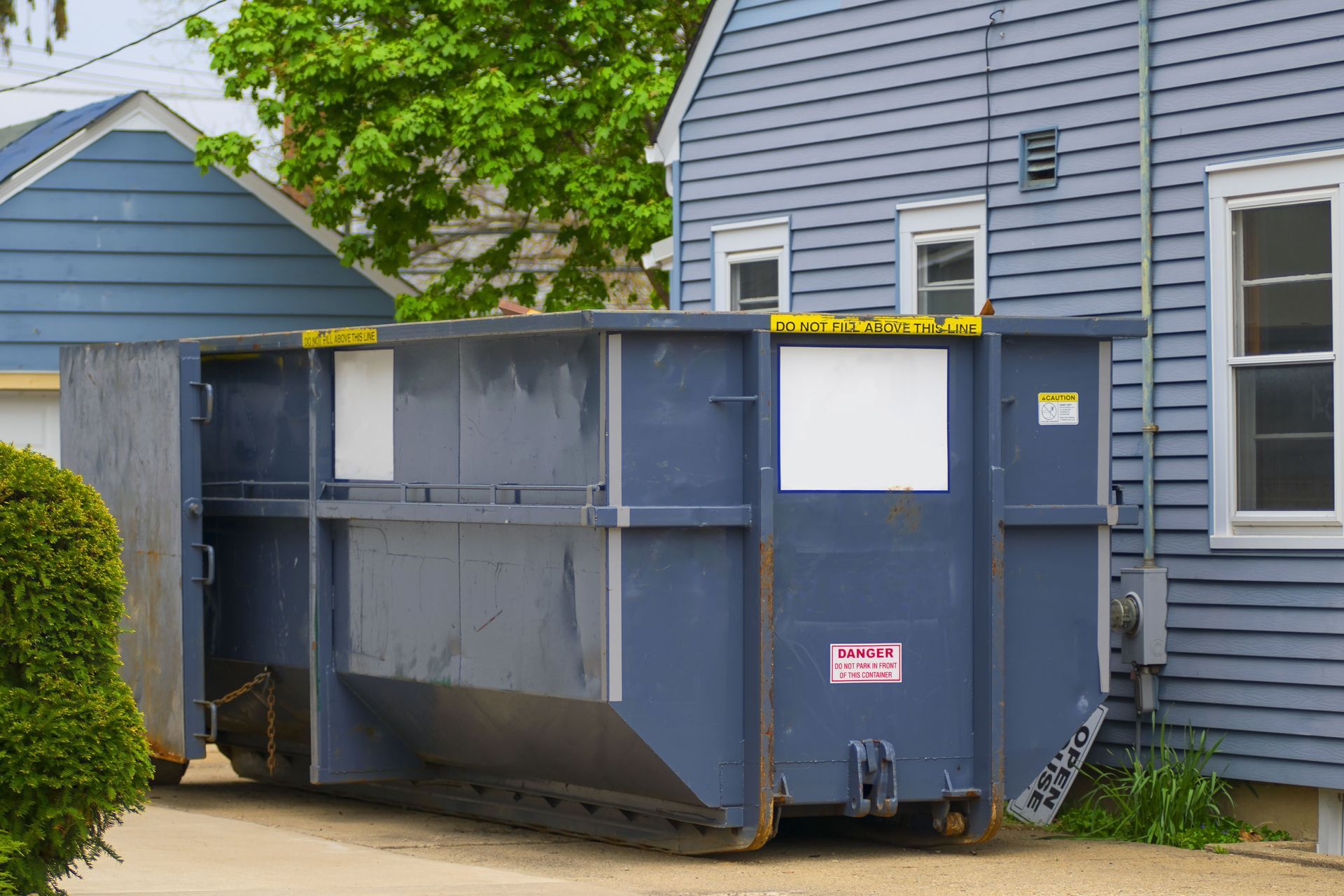
Once it's in place, think about how you'll load it. Placing flat, heavy items on the bottom and breaking down bulky materials helps you use the space more efficiently. Keep debris below the top edge so the container can be safely hauled away. When it's full, just let us know, and we'll return to pick it up.
At Appalachian Dumpster & Demolition, we make dumpster rental easy for homeowners, contractors, and businesses throughout Leicester, Asheville, and the surrounding areas. We offer 20-yard and 30-yard roll-off dumpsters with flexible rental periods, transparent pricing, and free estimates. Along with every dumpster rental, we're glad to help you plan placement, choose the right size, and get your property ready for a smooth delivery. We also offer hauling, concrete removal, and emergency or same-day service when your schedule is tight. Contact Appalachian Dumpster & Demolition today to schedule your
dumpster rental and get your project moving.