November 4, 2026
Understanding the appropriate dumpster size for roofing projects is essential for efficient waste management, cost control, and project success. Roofing contractors generally rely on two primary standard options: a 20-yard roll-off container or a larger 30-yard roll-off container. Selecting between these sizes requires evaluating unique project demands.
This guide assists contractors in weighing these requirements to align waste management strategies with budget constraints and site regulations. The sections below outline key factors for selecting the ideal container size for roofing projects.
Factors Influencing Dumpster Size Selection
Roof Size and Waste Volume
When sizing a dumpster for roofing projects, understanding the overall roof area is pivotal. Larger roofs predictably generate significantly more waste than standard residential structures. Contractors need to anticipate the waste volume, which varies considerably with the square footage and layers of the existing roof. For medium-sized homes, opting for a 20-yard roll-off rental often hits the sweet spot between volume capacity and weight allowances. Matching the waste volume to the appropriate container avoids costly overages or underestimations.
In practice, waste estimates prevent the common mistake of renting either an undersized unit or multiple unnecessarily small containers. Contractors benefit from employing reliable waste calculation formulas to project debris accumulation. Project timelines also dictate how swiftly waste accumulates and requires hauling off-site. Establishing this baseline is crucial for ensuring seamless, uninterrupted workflows during tear-offs.
Type of Roofing Material
The type of roofing material strongly influences dumpster size due to varying weights and bulkiness. For example, asphalt shingles are bulky and heavy, requiring careful tonnage tracking. Metal roofing, though heavier per sheet, takes up less overall container volume due to its compactness when stacked. A standard 20-yard roll-off rental can easily accommodate multi-layer asphalt tear-offs up to certain weight thresholds, whereas heavier or bulkier jobs may demand a 30-yard option.
Contractors managing multi-material roofing projects often require strategic waste segregation. For instance, separating rubber membrane scrap from heavy tile debris prevents overall weight disparities that lead to overweight penalty fees.
Acknowledging each material type separately improves disposal efficiency. This segregation ensures adherence to local recycling policies and fosters environmentally responsible disposal practices.
Furthermore, newer eco-friendly materials like solar tiles or green roof components pose unique disposal challenges. Their integration in contemporary projects demands specialized handling due to fragility, reuse potential, and recycling protocols. Container choice remains intricately tied to sustainable disposal capabilities and adherence to emerging environmental standards. Thus, recognizing material types ensures practical waste management aligned with modern market directions.
Project Scope and Duration
Project scope fundamentally dictates whether a 20-yard or 30-yard container is needed to complete roofing tasks efficiently. Larger-scale commercial or multi-family replacements produce vast waste volumes over extended timeframes, necessitating 30-yard containers. Shorter, single-family home tear-offs warrant different tactical choices. Securing a versatile 20-yard roll-off rental for residential jobs allows crews to maintain clean job sites regardless of whether they are working on a complete replacement or a localized repair.
Beyond physical scope, project objectives influence overall waste output. For instance, total deck replacements create bulky wood waste alongside shingles, whereas partial retrofits generate limited scrap. Recognizing these differences allows contractors to simplify disposal logistics. According to Archive Market Research, the commercial dumpster rental market was projected to reach $654 million in 2025, illustrating the substantial scale and demand across commercial projects. Proper evaluation guides contractors toward the container size that enhances site productivity.
Primary Dumpster Sizes for Roofing Projects
20-Yard Dumpsters
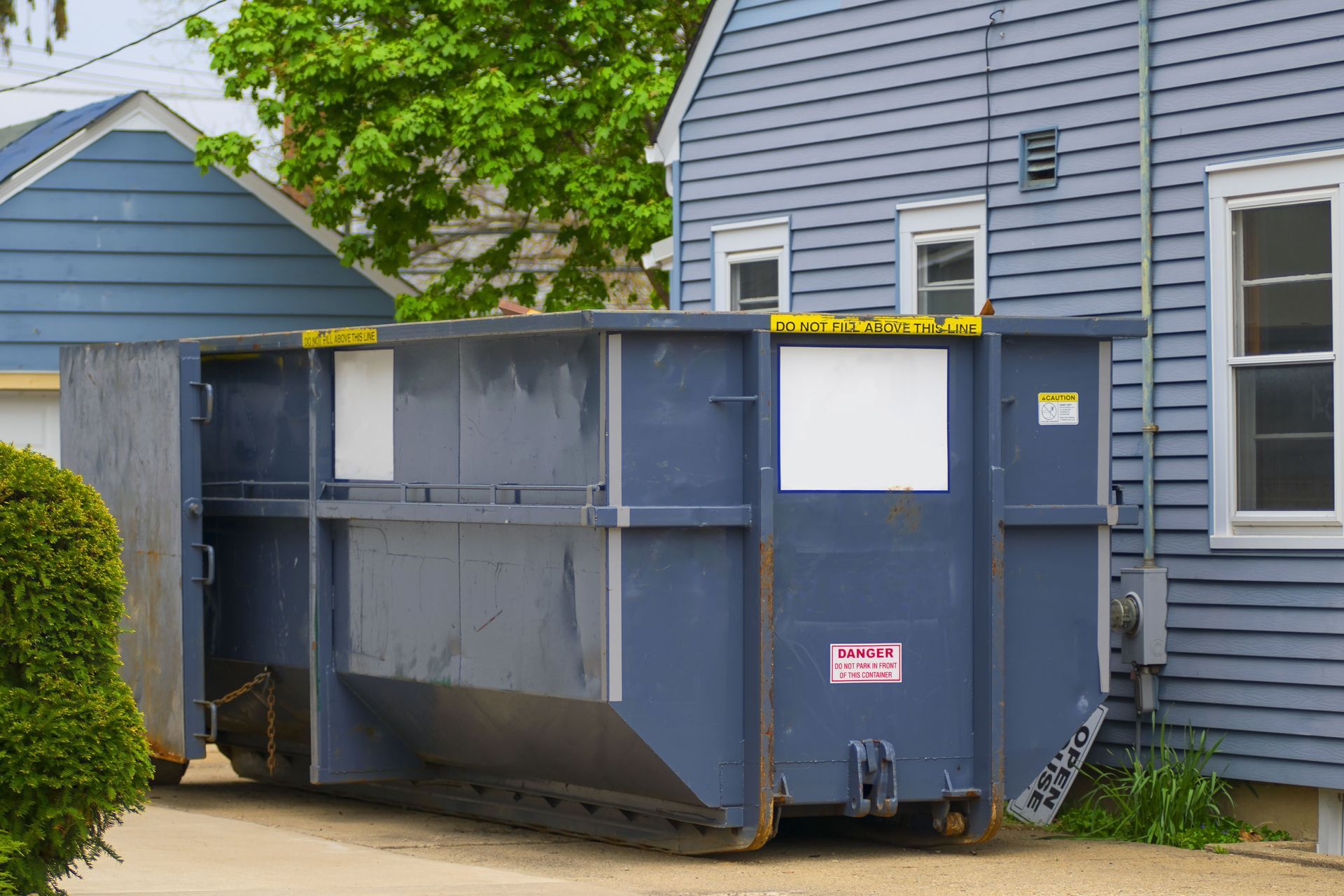
A 20-yard roll-off rental strikes an optimal balance between capacity and footprint, making it the most popular choice for standard residential roofing. Holding up to 20 cubic yards of waste, these dumpsters accommodate tear-offs for average single-family homes and small commercial structures. They easily handle higher waste volumes than smaller utility bins while remaining compact enough for suburban residential placement. Projects involving multi-layer asphalt replacements on medium-sized roofs benefit greatly from this intermediate size.
The capacity offered by ordering a 20-yard roll-off rental makes it conducive to managing mixed roofing materials. Contractors frequently utilize this size for projects containing shingles, underlayment felt, flashing, and rotten plywood decking. This versatility makes it a reliable choice for complex residential tear-offs. Aligning project expectations with container payload limits ensures steady, unhindered job progress.
Moreover, selecting a 20-yard roll-off rental represents a cost-efficient strategy for contractors working within strict financial budgets. Its intermediate size results in manageable base rental rates and weight allowances tailored to standard residential jobs. Efficiently allocating waste resources keeps the overall project within budgetary limits while achieving complete debris disposal. Therefore, choosing a 20-yard container remains a foundational waste management strategy for standard residential roofing.
30-Yard Dumpsters
30-yard dumpsters cater to large-scale residential tear-offs and extensive commercial roofing installations. Their extended volume capacity provides ample space for substantial quantities of bulky debris, damaged insulation, and structural framing scrap. Contractors overseeing multi-story home replacements or large flat-roof commercial buildings find these containers essential. The added side-wall height and volume accommodate diverse waste streams generated across multiple project phases.
In addition to increased physical volume, 30-yard containers offer economical advantages on large projects by reducing the required number of haul-off swaps. Consolidating waste into a single large bin minimizes transportation fees and site disruptions. Contractors working on expansive properties benefit from reduced logistical overhead, maintaining a continuous disposal workflow throughout the teardown process.
Furthermore, 30-yard containers are best suited for long-duration projects generating continuous high-volume waste. Sustained multi-day commercial operations require dependable waste containment to keep the perimeter clear and safe. Having adequate waste capacity prevents debris accumulation on lawns or walkways, helping contractors adhere to job-site safety standards and local environmental ordinances.
Estimating Waste for Different Roofing Materials
Asphalt Shingles
Asphalt shingles are the most common residential roofing material and present distinct waste weight considerations. Their primary composition—asphalt-saturated felt matrices surfaced with mineral granules—makes them exceptionally dense. Multiple shingle layers significantly increase total debris weight. On average, a 20-yard roll-off rental can safely handle up to 20 squares of single-layer standard asphalt shingles before reaching typical road weight limits. For jobs involving architectural shingles or double-layer tear-offs exceeding 25 to 30 squares, contractors usually need to upgrade to a 30-yard container or arrange multiple swap-outs.
Waste management strategies also hinge on shingle condition and recycling possibilities. Shingle removal generates loose dust, old nails, and granules requiring careful containment. Many local facilities offer dedicated asphalt recycling programs, which divert debris from landfills and reduce tipping fees. Setting up a dedicated 20-yard roll-off rental strictly for clean shingle waste allows contractors to take advantage of lower clean-fill disposal rates.
Metal Roofing
Metal roofing disposal depends on managing precision-engineered metal panels characterized by high recyclability. Metal roofs consist primarily of steel, aluminum, or copper, creating recyclable scrap rather than standard landfill waste. Despite high structural strength, metal panels pack tightly, consuming less volume than bulky asphalt shingles. Contractors calculate waste based on panel trimmings, damaged sheets, and old flashing to select the correct bin size. Efficiently packing metal scrap into a 20-yard roll-off rental keeps the job site organized while keeping transport weight manageable.
The recyclability of metal roofing offers financial and environmental advantages. Diverting metal debris to scrap recyclers reduces overall project disposal costs. Establishing formal recycling partnerships ensures the removed materials are processed responsibly. Strategic waste management for metal roofs reinforces sustainable building practices and highlights contractor commitment to eco-friendly operations.
Selecting the right container size is essential for maintaining efficient, safe, and cost-effective roofing operations. For the vast majority of standard residential replacements, a 20-yard roll-off rental provides the ideal balance of volume capacity, driveway-friendly footprint, and manageable side-wall height. However, when tackling multi-layer tear-offs, extensive commercial flat roofs, or bulky materials like wood shakes, stepping up to a 30-yard dumpster prevents overflowing debris and minimizes workflow disruptions.
By accurately calculating your total square footage, factoring in material density, and accounting for job site access, contractors can streamline their waste disposal strategy from start to finish. Choosing between a 20-yard and 30-yard roll-off rental ultimately comes down to matching your project scope with the proper capacity—ensuring your job site stays clean, compliant, and on budget. Call Appalachian Dumpster & Demolition today to learn more.