October 27, 2026
When embarking on a home renovation or major construction project, many property owners envision the exciting final reveal – shiny new fixtures, updated layouts, and fresh coats of paint. However, before any building begins, the existing structure must be tackled. According to the Environmental Protection Agency, 90% of construction and demolition waste comes from tearing down existing structures, while only the remaining 10% originates from new construction. Tearing things down safely and efficiently requires significantly more labor, strategic planning, and structural understanding than most people anticipate.
Uncovering Hidden Structural Hazards
Once drywall and flooring are removed, underlying structural issues often reveal themselves unexpectedly during residential and commercial projects. Older buildings frequently harbor hidden electrical wiring, outdated plumbing, or unexpected load-bearing framing that was not visible during initial planning stages. Navigating these obstacles requires careful material removal rather than aggressive destruction. Without professional experience, an accidental cut into a live wire or water line can create immediate safety hazards and costly project delays. Professional crews evaluate hidden spaces carefully before proceeding with heavy removal steps.
Managing Hazardous Material Protocols
Demolition routinely exposes materials that demand specialized handling, controlled containment, and strict compliance with local safety standards. Asbestos insulation, lead-based paint, and synthetic adhesives were standard components in older construction projects. Disposing of these hazardous substances requires proper protective equipment, legal containment procedures, and dedicated disposal pathways. Attempting to clear these materials without expert intervention can contaminate the surrounding living environment and endanger the health of everyone on the property. Adhering to environmental guidelines keeps the job site safe for everyone involved.
Renting Proper Waste Containers
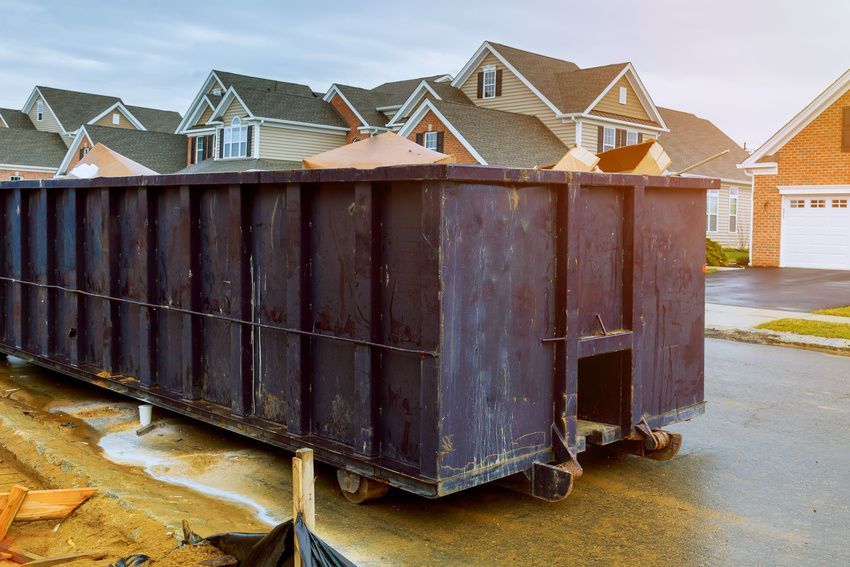
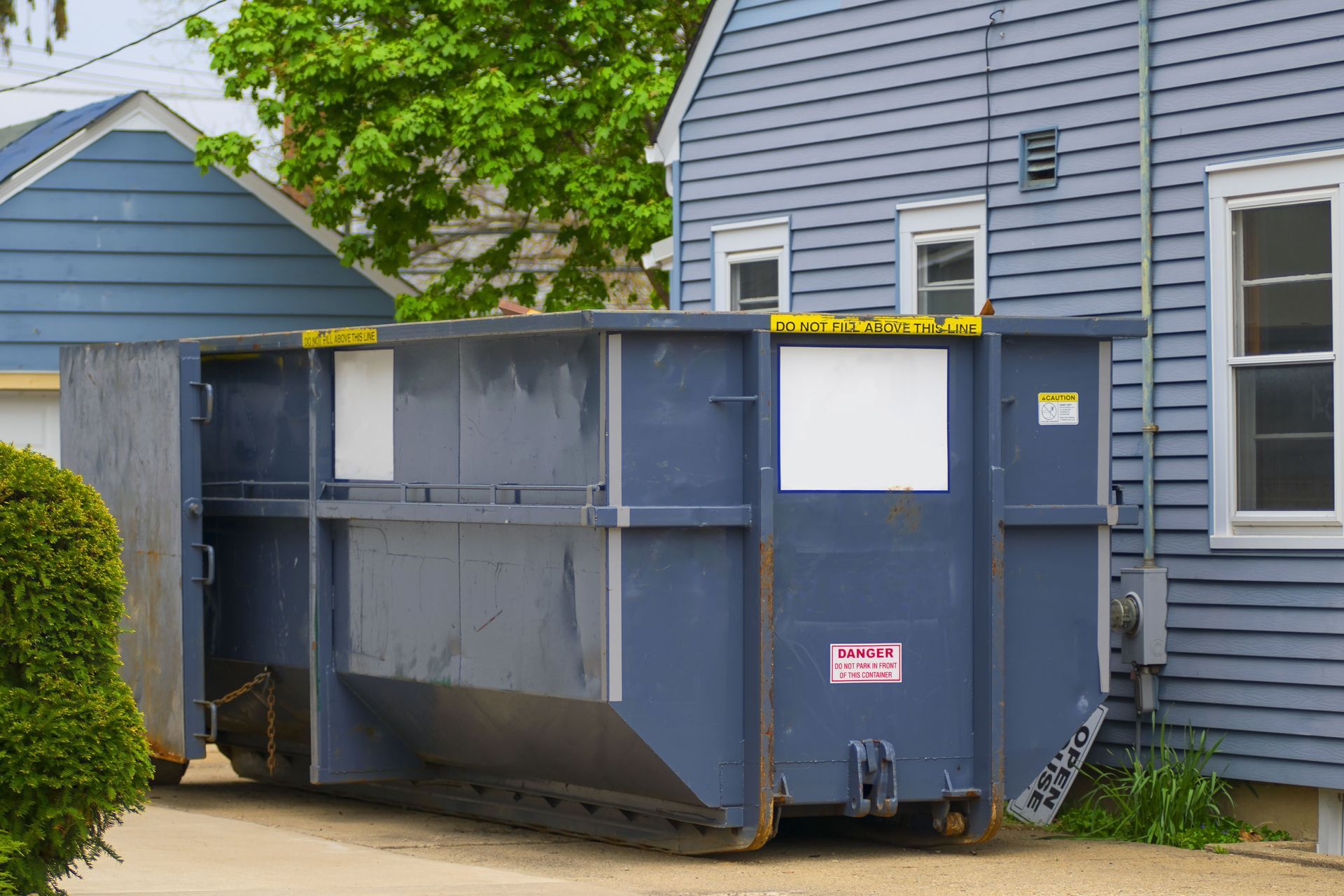
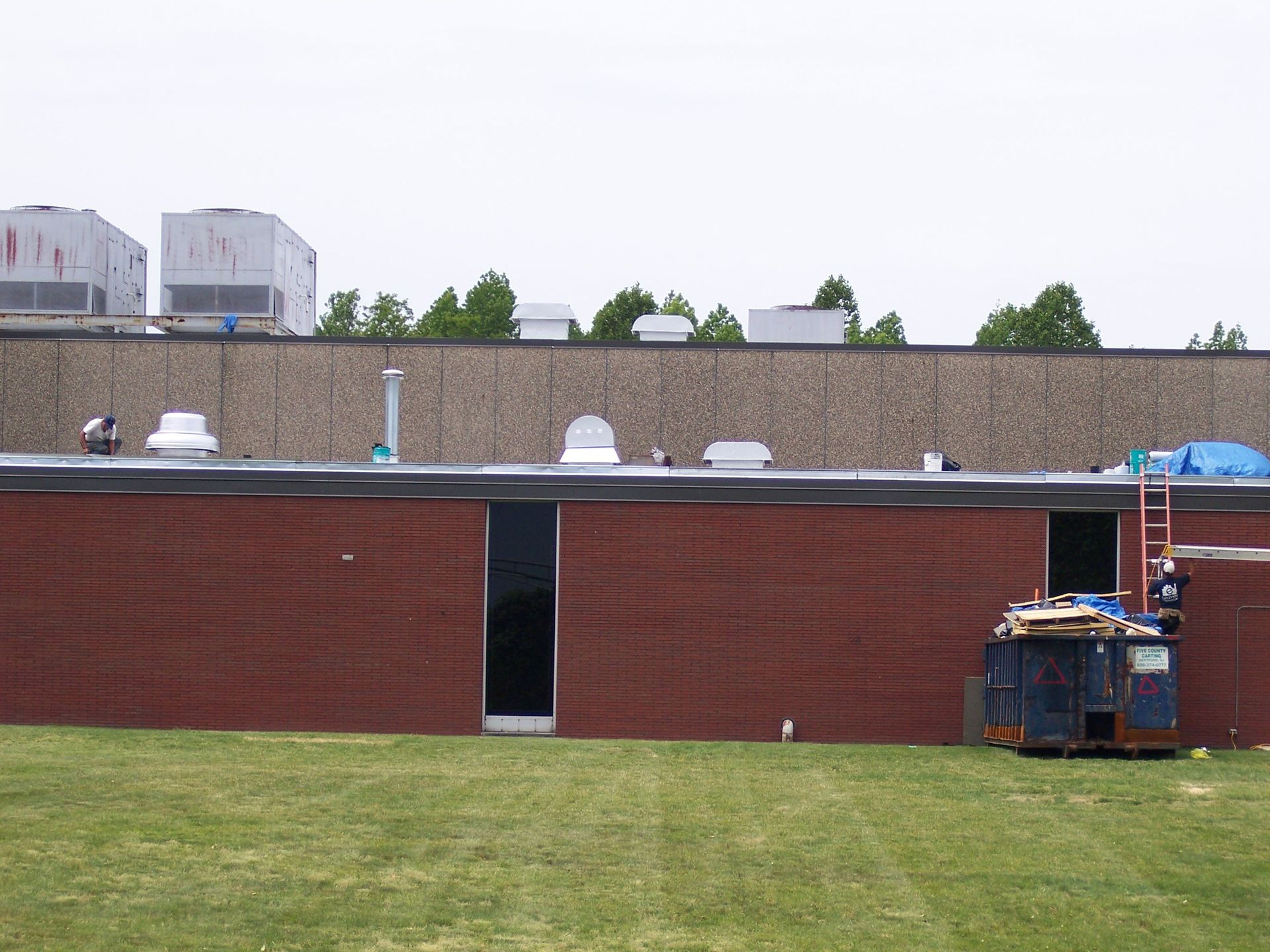
The sheer volume of heavy debris generated during interior tear-outs quickly overwhelms standard residential garbage capabilities. Utilizing a 15-yard roll-off dumpster allows work crews to manage discarded lumber, plaster, concrete, and roofing materials efficiently in a centralized location. Having a dedicated roll-off dumpster on site keeps work areas clear, reduces tripping hazards, and minimizes double-handling of heavy waste. Strategic debris management ensures that job sites remain organized and compliant with municipal waste disposal regulations from start to finish. Proper container placement near work zones streamlines daily cleanup tasks.
Navigating Tight Job Sites
Transporting heavy debris away from a project site demands specialized equipment capable of navigating challenging terrain. Mountain driveways, narrow access roads, and restricted residential spaces present significant logistical hurdles for standard transport vehicles. Utilizing specialized delivery equipment enables the placement of waste containers in tight spaces where larger trucks cannot safely maneuver. Ensuring proper container placement prevents accidental damage to paved surfaces, overhead utility lines, and surrounding landscaping. Experienced operators evaluate access routes carefully prior to equipment delivery.
Sorting Recyclable Building Materials
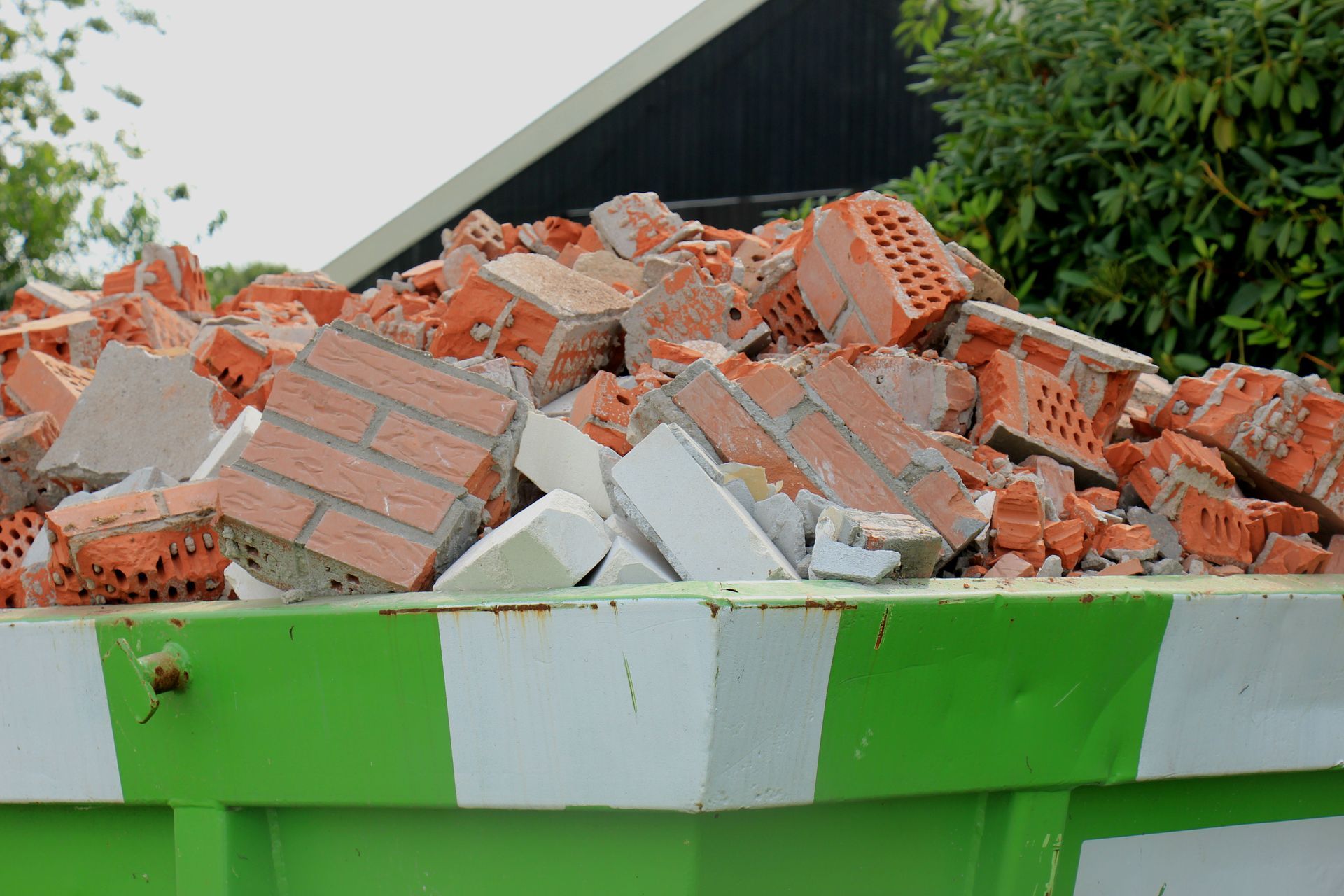
Environmental responsibility requires careful sorting of salvageable materials prior to final disposal. Metals, clean wood, brick, and concrete can often be reclaimed or recycled rather than sent directly to landfill facilities. Separating reusable components during the removal process demands extra manual labor, dedicated sorting zones, and methodical dismantling procedures. Strategic material management reduces total disposal fees while preventing valuable natural resources from going to waste. Implementing sustainable disposal practices helps minimize the overall environmental footprint of large structural projects.
Protecting Remaining Living Spaces
Selective teardowns require strict containment protocols to prevent dust, debris, and noise from invading adjacent living spaces. Heavy plastic dust barriers, negative air pressure systems, and floor protection must be installed before heavy work begins. Without proper isolation, drywall dust and airborne particles spread throughout HVAC ductwork and contaminate undamaged living areas. Professional crews establish airtight perimeters to protect the structural integrity and cleanliness of adjacent rooms. Comprehensive containment measures protect air quality throughout the property.
Managing Project Timeframe Expectations
Tearing down existing structures almost always uncovers unexpected delays that disrupt carefully planned construction timelines. Unforeseen structural repairs, bad weather delays, and permit approvals can halt progress without notice. Project managers must build buffer periods into the schedule to account for complex tear-outs and detailed waste removal steps. Realistic scheduling ensures that contractors complete site preparation safely without rushing critical safety protocols. Proper schedule management reduces stress for property owners while keeping trades on track.
Balancing Heavy Labor Costs
Teardown work requires substantial physical labor, specialized tools, and heavy machinery operating in restricted spaces. Manual labor costs increase rapidly when materials must be carried down stairwells, through tight doorways, or across long yards. Securing a 20-yard roll-off dumpster near the primary work site streamlines debris transfer and dramatically reduces labor hours spent hauling materials by hand. Efficient labor management keeps project budgets on track while protecting workers from physical strain and fatigue. Strategic site organization ensures labor hours are used productively.
Securing Necessary Municipal Permits
Executing major structural teardowns legally requires obtaining proper municipal permits and complying with regional building codes. Municipalities enforce strict regulations regarding noise limits, waste disposal, utility disconnects, and environmental protection. Operating without required permits can result in municipal fines, immediate work stoppage orders, and costly project delays. Experienced contractors coordinate with local building departments to secure all necessary permits before work begins. Ensuring complete regulatory compliance protects property owners from legal issues and project interruptions.
Minimizing Disruption to Neighbors
Heavy teardown activities generate significant noise, dust, and truck traffic that can disrupt surrounding residential neighborhoods. Maintaining positive community relations requires establishing reasonable working hours, controlling dust, and keeping street access clear. Utilizing a dedicated roll-off dumpster keeps discarded materials contained neatly on the property rather than overflowing onto driveways or streets. Clear communication with neighboring property owners about schedules helps minimize friction and prevents complaints during loud project phases. Respectful site management benefits both contractors and owners.
Clearing Sites for Reconstruction
After major teardowns, thorough site clearing is necessary before any framing or foundation work can start. Complete debris removal, floor preparation, and structural cleaning ensure that new building materials sit on a stable foundation. Comprehensive demolition services cover everything from interior gutting to full structure removal, leaving the space completely prepped for the next phase. Neglecting thorough site clearing often leads to uneven installations, compromised framing, and unnecessary labor costs during rebuilding. A clean job site ensures quality craftsmanship during reconstruction.
Selecting Qualified Industry Professionals
Executing a smooth teardown requires partnering with experienced contractors who possess proper licensure, insurance, and equipment. Qualified professionals understand regional building codes, safety guidelines, and local landfill regulations thoroughly. Relying on an experienced team for both teardown work and roll-off dumpster delivery eliminates communication gaps and prevents project delays. Partnering with local specialists guarantees that every phase of site preparation is completed efficiently, safely, and legally. Professional expertise gives property owners confidence throughout the project.
Preventing Unplanned Budget Overruns
Unexpected costs frequently arise during teardowns due to hidden structural issues or improper waste management planning. Failing to estimate debris volume accurately leads to multiple haul-off fees or overweight container penalties. Renting an appropriately sized roll-off dumpster prevents unexpected fees and keeps waste management expenses predictable. Detailed planning, comprehensive quotes, and contingency funds ensure that project budgets remain intact throughout the entire teardown phase. Careful financial management prevents costly surprises during construction.
Completing Final Site Inspections
Before rebuilding begins, municipal inspectors must review the cleared site to ensure full compliance with safety codes. Inspectors check that hidden hazards were mitigated, load-bearing modifications are supported, and debris has been cleared properly. Passing final teardown inspections grants official approval to begin new construction with complete confidence. Thorough site preparation ensures that every subsequent construction phase proceeds smoothly upon a safe and certified foundation. Completing formal inspections protects the long-term integrity of the building structure.
Proper teardown work requires technical skill, specialized containment, and reliable logistics to keep your project safe and on schedule. To ensure your next site prep or waste management project runs smoothly, contact Appalachian Dumpster & Demolition.