November 24, 2026
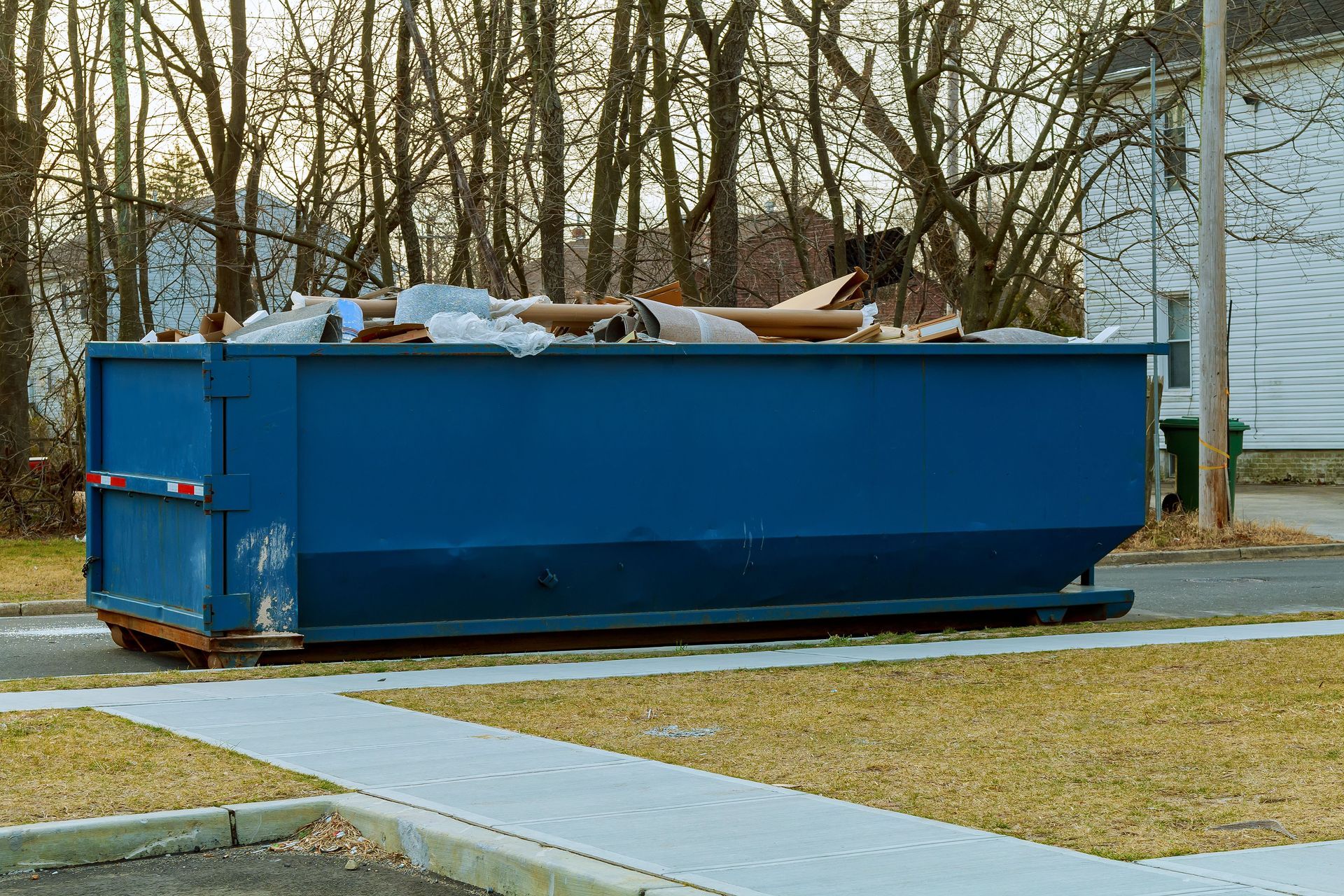
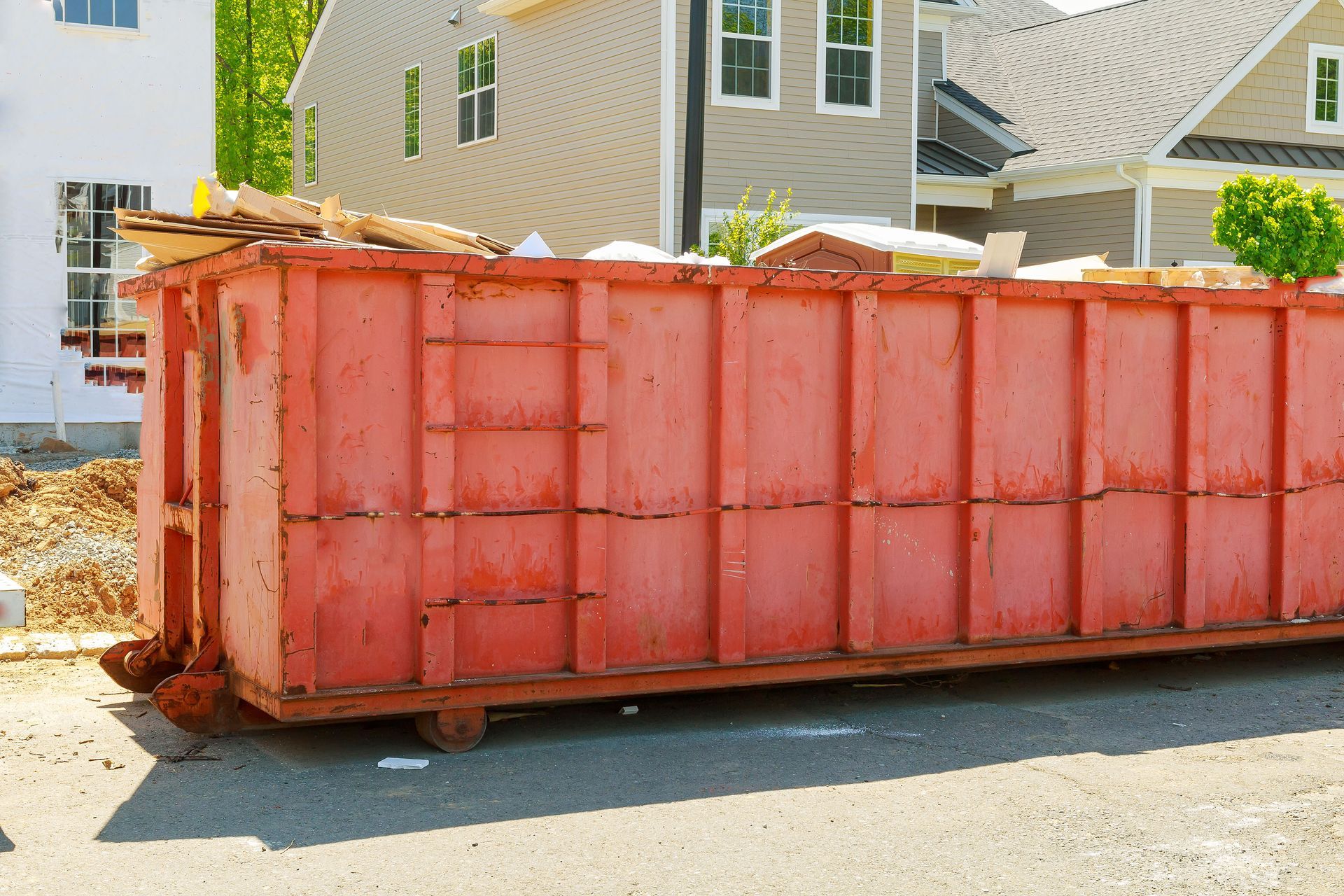
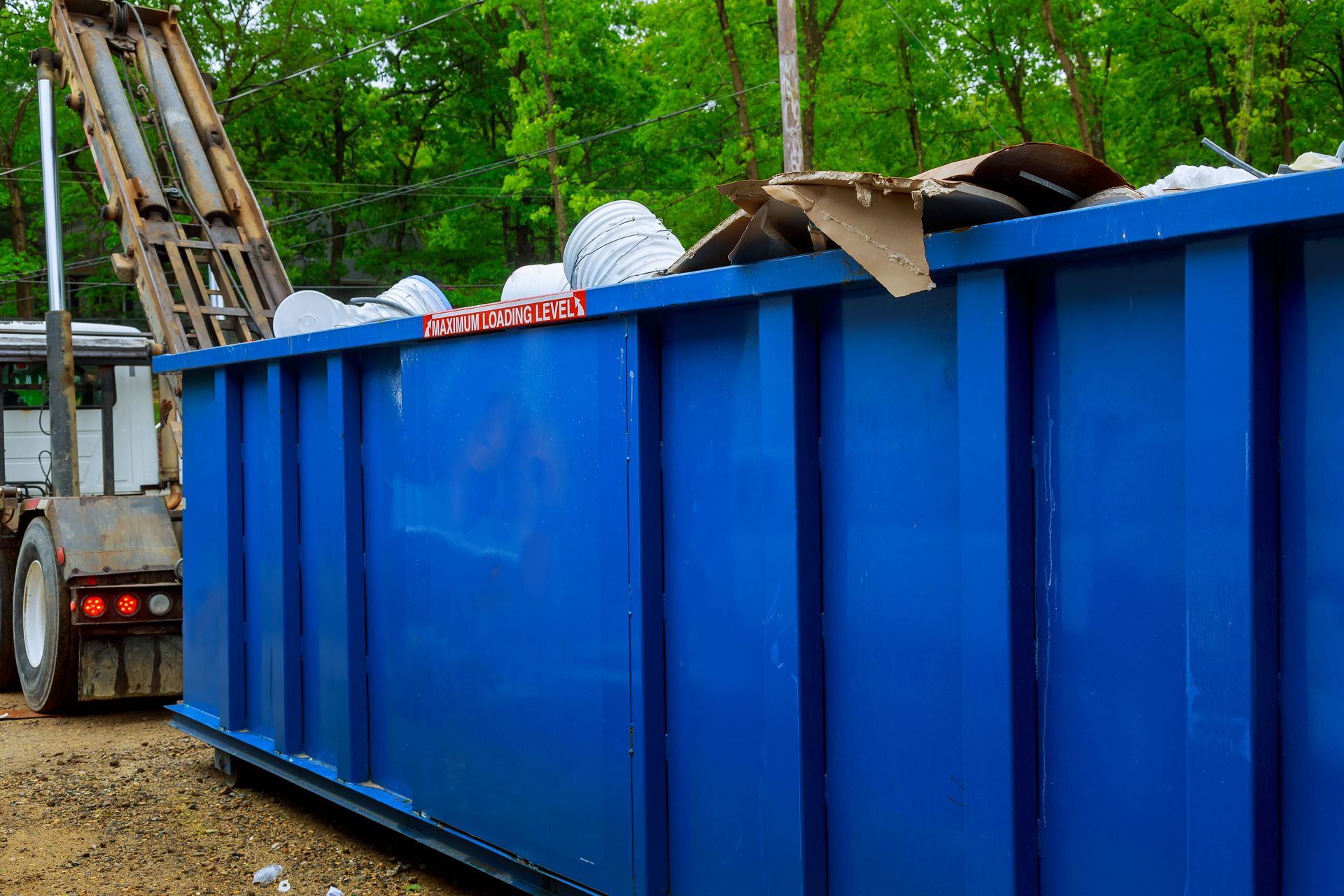
Transforming an entire property's yard can generate substantial amounts of debris, especially when landscaping, removing old structures, or updating outdoor living spaces. Managing that waste efficiently helps keep projects organized, maintain a clean property, and prevent unnecessary delays. A residential dumpster rental provides a convenient way to collect and remove yard debris while allowing landscaping professionals and contractors to focus on completing the transformation.
Planning the Scope of a Yard Transformation
Successful yard transformations begin with a clear understanding of the property's existing conditions and the improvements being planned. Projects may involve replacing patios, removing outdated landscaping features, clearing overgrown vegetation, or creating new outdoor living areas. Each improvement can generate different types and quantities of debris, making waste management an important part of the planning process.
Evaluating the existing landscape also helps determine which materials will need disposal. Old landscaping materials, damaged fencing, concrete, branches, soil, and deteriorating outdoor structures can all contribute to the total waste volume. Understanding these conditions early helps homeowners coordinate contractors, establish realistic timelines, and select an appropriate residential dumpster rental.
Budgeting is another important part of preparing for a property transformation. Expenses may include landscaping services, construction materials, labor, equipment, and debris removal. According to IBIS World, there are approximately 350 plus dedicated dumpster rental businesses operating nationwide. This availability gives homeowners opportunities to compare rental services and find waste management options that accommodate their project requirements.
Improving Waste Management Throughout the Project
Large yard transformations can produce debris throughout multiple stages of the project. Without an organized disposal solution, discarded materials can accumulate around the property and interfere with landscaping or construction activities. A dumpster provides a central location for collecting waste, helping contractors maintain an orderly work environment
.
A residential dumpster rental also reduces the need to coordinate repeated trips to disposal facilities. Instead of arranging separate transportation for every load, contractors can place appropriate materials in the container throughout the project. This arrangement saves time and allows workers to concentrate on completing scheduled improvements.
Another advantage is the ability to coordinate waste removal with the project's timeline. Having a container delivered before major landscaping or demolition begins ensures that debris has an established destination from the start. Scheduling pickup after the work is completed helps prevent unwanted materials from remaining on the property.
Maintaining a Safer and Cleaner Yard
Keeping a property organized during extensive landscaping work is important for maintaining a safer environment. Loose branches, broken concrete, discarded lumber, and other debris can create obstacles for workers and anyone moving around the property. A designated dumpster helps contain these materials instead of allowing them to accumulate throughout the yard.
Clean work areas also make it easier for contractors to access different sections of the property. When debris is regularly collected, landscaping crews can move equipment and materials without navigating unnecessary obstacles. A residential dumpster rental supports this organization by providing a consistent disposal location throughout the transformation.
Cleanliness also affects the overall appearance of a property during renovation. Although some disruption is unavoidable during major improvements, an organized disposal system helps prevent the yard from becoming overwhelmed with discarded materials. This makes it easier to monitor progress and prepare completed areas for their intended use.
Accommodating Different Types of Yard Debris
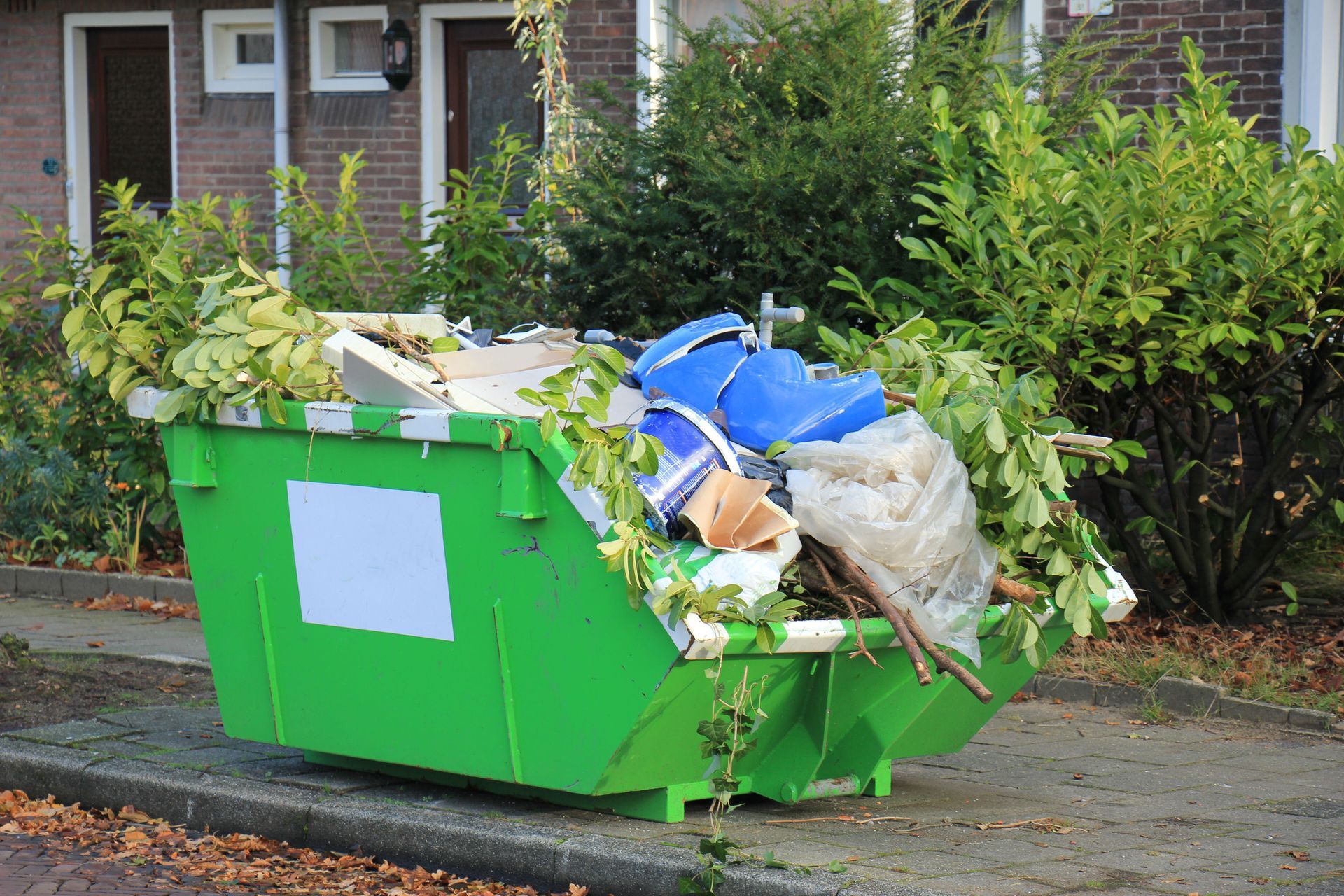
Whole-property transformations often involve several different categories of waste. Organic materials may include branches, shrubs, grass, and other vegetation, while hardscape renovations can produce concrete, bricks, gravel, and damaged pavers. Additional improvements may generate wood, fencing materials, and general construction debris.
Choosing a dumpster that accommodates the anticipated waste makes disposal more convenient. However, homeowners should confirm which materials the rental provider accepts before loading the container. Certain heavy materials, hazardous substances, appliances, and other restricted items may require separate disposal arrangements.
A residential dumpster rental can also support more organized waste management when a project involves multiple contractors. Landscaping crews, hardscape installers, and construction professionals can coordinate their disposal needs around one central container when the accepted materials and rental requirements allow. This reduces confusion and helps keep the project moving efficiently.
Selecting the Appropriate Dumpster Size
Selecting the right dumpster size is essential for managing yard transformation debris without unnecessary expenses or scheduling complications. Smaller containers may accommodate limited landscaping updates, while larger options are better suited to extensive property renovations involving substantial demolition and material removal. The amount and type of waste generated should guide the selection.
Project scope is one of the most important considerations when determining capacity. Removing a few outdated landscaping features won't produce as much debris as replacing patios, clearing extensive vegetation, and removing damaged outdoor structures. Homeowners should discuss the expected waste volume with their rental provider to identify an appropriate option.
Weight restrictions are equally important when selecting a container. Materials such as concrete, soil, gravel, and masonry can become extremely heavy, even when they do not occupy much space. Discussing these materials before arranging a residential dumpster rental helps prevent overloading and unexpected disposal charges.
Coordinating Delivery and Pickup Times
Timing plays an important role in keeping a weekend yard transformation organized. Having a dumpster delivered before contractors begin removing landscaping or outdoor structures ensures that waste can be collected immediately. This prevents debris from accumulating and interfering with other scheduled activities.
Pickup scheduling should also reflect the project's expected completion time. A container that remains on the property longer than necessary can create additional rental expenses or interfere with upcoming landscaping improvements. Coordinating delivery and removal with the rental company helps homeowners establish a practical schedule.
A weekend residential dumpster rental is particularly useful when several improvements are scheduled within a limited timeframe. Contractors can collect debris as work progresses, reducing interruptions and keeping the property more manageable. Confirming rental periods, extension policies, and pickup arrangements ahead of time helps prevent scheduling misunderstandings.
Supporting Responsible Waste Disposal
Environmental considerations are increasingly important during residential landscaping and renovation projects. Many discarded materials can be recycled or processed separately rather than sent directly to landfills. Depending on the provider's services and local disposal facilities, materials such as metal, concrete, untreated wood, and certain organic waste may have alternative disposal options.
Homeowners should ask rental providers about their waste processing practices before selecting a service. Understanding how different debris categories are handled makes it easier to plan responsible disposal arrangements. Properly separating restricted or recyclable materials can also help prevent complications during collection.
A residential dumpster rental offers a convenient starting point for organizing waste removal while keeping disposal requirements in mind. Rental companies can explain accepted materials, weight restrictions, and any additional arrangements needed for specialized waste. These details help ensure that property transformations remain organized from beginning to end.
Keeping Large Property Improvements on Schedule
Extensive yard transformations often involve several contractors working on different parts of the property. Landscaping, hardscaping, fencing, and outdoor construction may all generate waste that needs to be removed before the next stage begins. An organized disposal plan helps prevent accumulated debris from slowing down these activities.
Having a designated dumpster also makes coordination between contractors easier. Workers can place accepted materials in one location rather than arranging separate disposal methods throughout the property. This creates a more predictable workflow and helps keep project areas accessible.
For homeowners managing improvements over a weekend, having waste removal arranged in advance can make a significant difference. A residential dumpster rental provides the capacity and convenience needed to handle debris without repeatedly interrupting scheduled work. By coordinating container size, delivery, and pickup, property owners can support a more efficient transformation.
Choosing a Reliable Dumpster Rental Provider
Selecting an experienced rental provider involves more than comparing container prices. Homeowners should consider available dumpster sizes, accepted materials, rental periods, delivery options, and pickup scheduling. Clear communication about these details helps prevent unexpected problems once the project begins. Appalachian Dumpster & Demolition provides waste management solutions to help homeowners and contractors handle debris from residential projects. Contact Appalachian Dumpster & Demolition to discuss your project, find an appropriate dumpster size, and arrange a convenient rental schedule. With dependable disposal support, you can keep your property transformation organized while focusing on the improvements that matter most.