March 12, 2026
Selecting the appropriate dumpster rental size is a key step in managing waste efficiently for any project, from small home renovations to large construction sites. Understanding the volume and type of debris helps prevent overflow, delays, and unexpected costs. Many homeowners and contractors underestimate how much space and weight certain materials require, leading to logistical challenges. By planning and considering factors like project scope, timeline, and property limitations, waste management becomes much smoother. This guide will walk you through the essential considerations for choosing the right dumpster to fit your project needs.
Understanding Volume Needs
The first step in choosing the right dumpster size is assessing the scope of your project and the type of materials involved. Small interior renovations generate far fewer debris than full home remodels or construction projects, making early evaluation essential. Creating a checklist of tasks and anticipated waste helps clarify volume needs and reduces uncertainty. Consulting contractors or project managers with experience in waste management can further refine estimates and prevent overbooking or underestimating capacity.
Accurately calculating waste volume requires understanding cubic yard measurements, which are standard in a dumpster rental. A cubic yard equals three feet by three feet by three feet, and estimating debris involves measuring waste piles and converting those dimensions into cubic yards. Compacted waste calculations help account for uneven piles and mixed materials, resulting in more reliable estimates. Applying these measurements reduces surprises, avoids overfilled dumpsters, and supports smoother cleanup logistics.
Dumpster sizes typically range from 10 yards for small cleanouts to 40 yards for major commercial or industrial projects. Mid-range options like 20-yard and 30-yard dumpsters are commonly used for multi-room renovations and large cleanups. Understanding how each size corresponds to project needs simplifies the selection process and improves coordination with rental providers. Accurate volume estimation supports efficient waste management, reduces delays, and keeps projects running smoothly from start to finish.
Assessing Project Types and Dumpster Sizes
Choosing the right dumpster size starts with understanding the scope of your project and the type of debris it will produce. Smaller home renovations, cleanouts, or landscaping projects often work well with 10 to 20 yard dumpsters, while larger renovations, construction, or demolition jobs may require 30 to 40 yard containers. Estimating waste volume in cubic yards and accounting for material weight helps prevent overflow, delays, or unused capacity. Creating a simple inventory of materials being removed provides a clearer picture of dumpster needs and supports smoother planning.
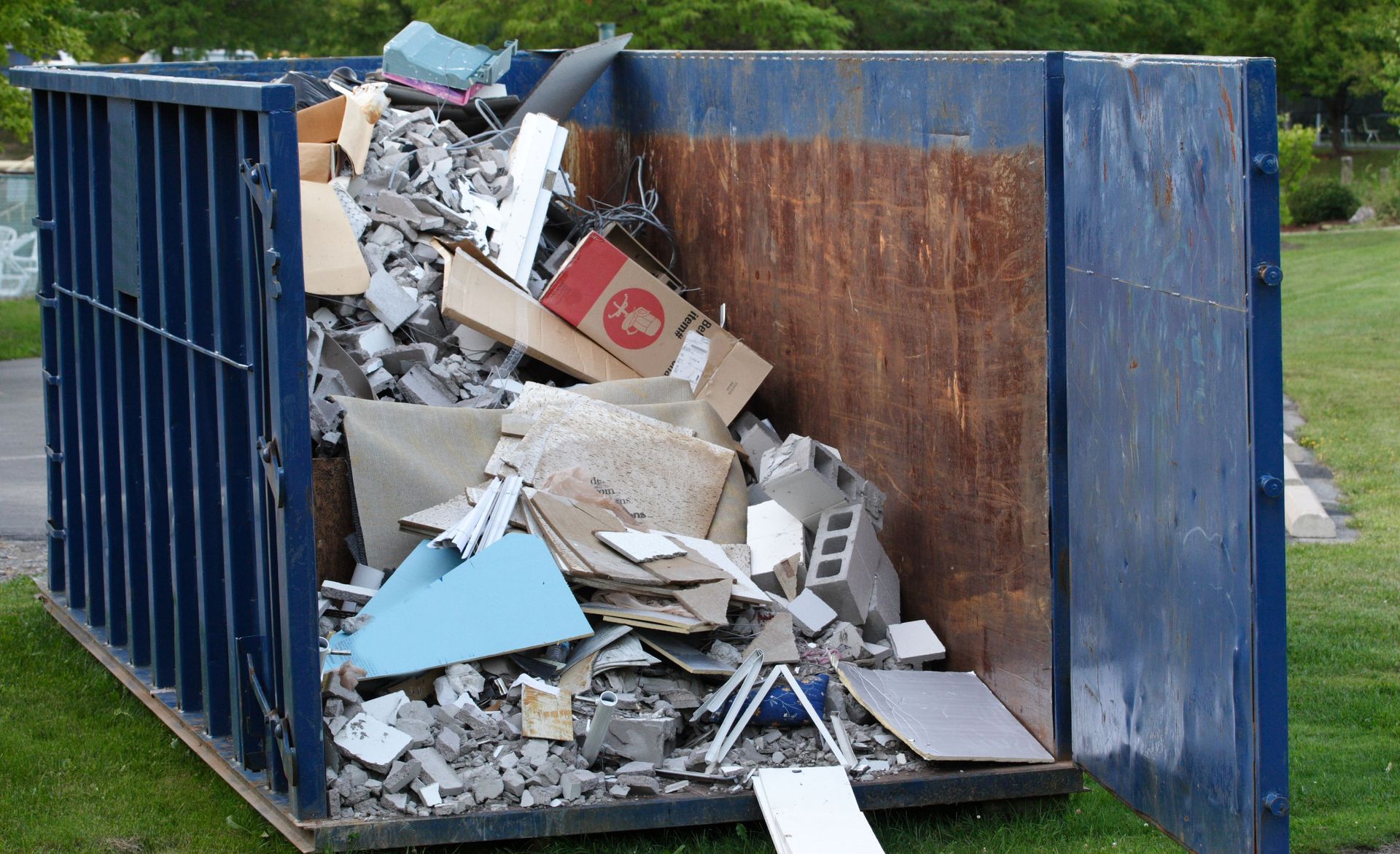
Construction and demolition projects require more detailed coordination due to mixed materials and higher debris output. Concrete, metal, wood, and packaging waste can quickly change volume and weight expectations as work progresses. Aligning dumpster size with project phases and scheduling pickups around peak debris periods helps maintain workflow and site safety. Collaboration between contractors, project managers, and dumpster rental providers supports compliance with regulations while improving efficiency and productivity.
Smaller projects like spring cleaning, garage cleanouts, and landscaping still benefit from thoughtful dumpster planning. According to Homeguide, a 15-yard dumpster is ideal for projects like small bathroom and kitchen renovations, small porch or deck demolition, or removal of concrete and siding. Organic debris, furniture, and household waste can accumulate faster than expected without proper container sizing. Selecting a dumpster that matches both volume and disposal timing reduces interruptions and unnecessary costs. Clear planning and coordination allow waste removal to stay organized while supporting timely project completion.
Evaluating Weight Constraints
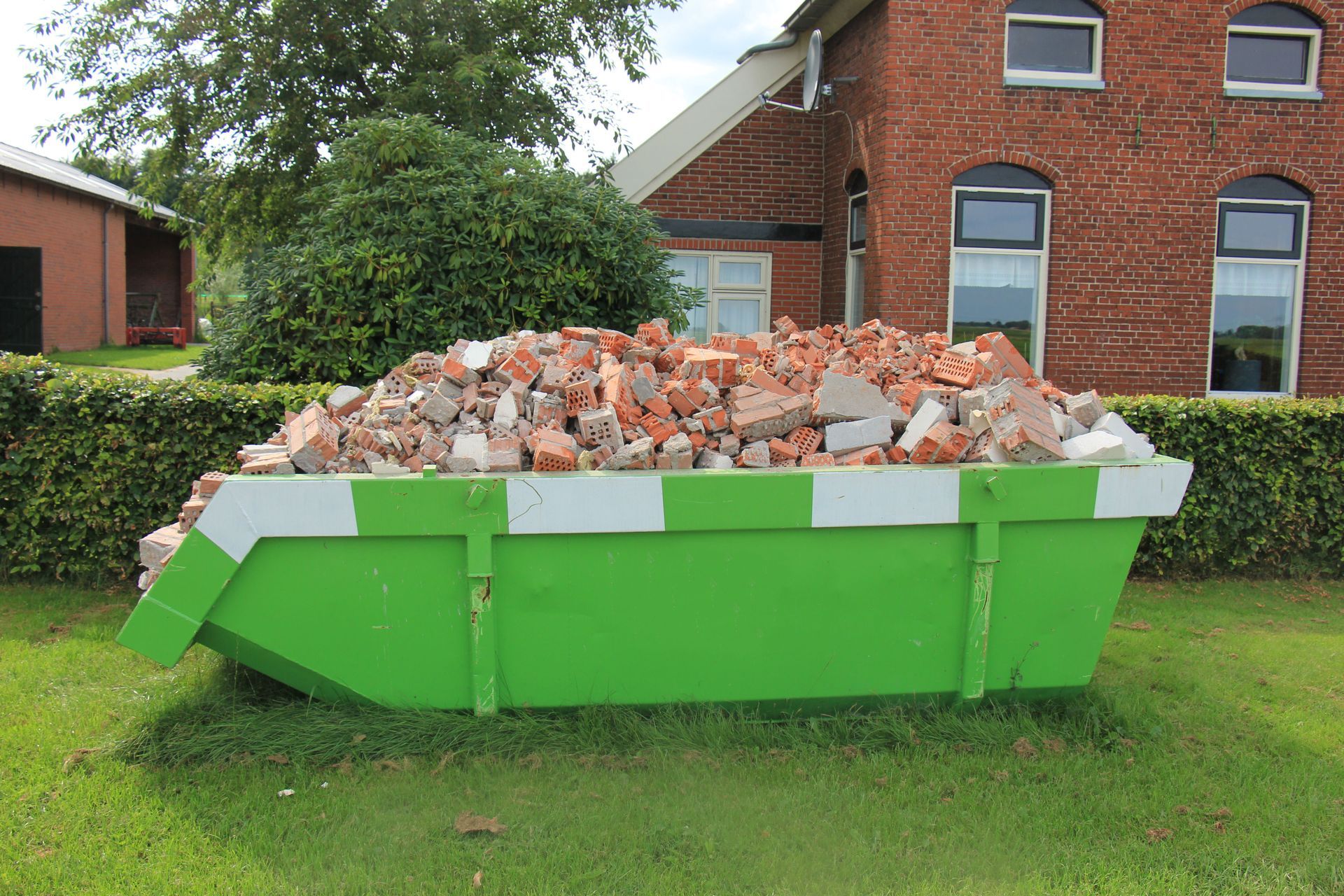
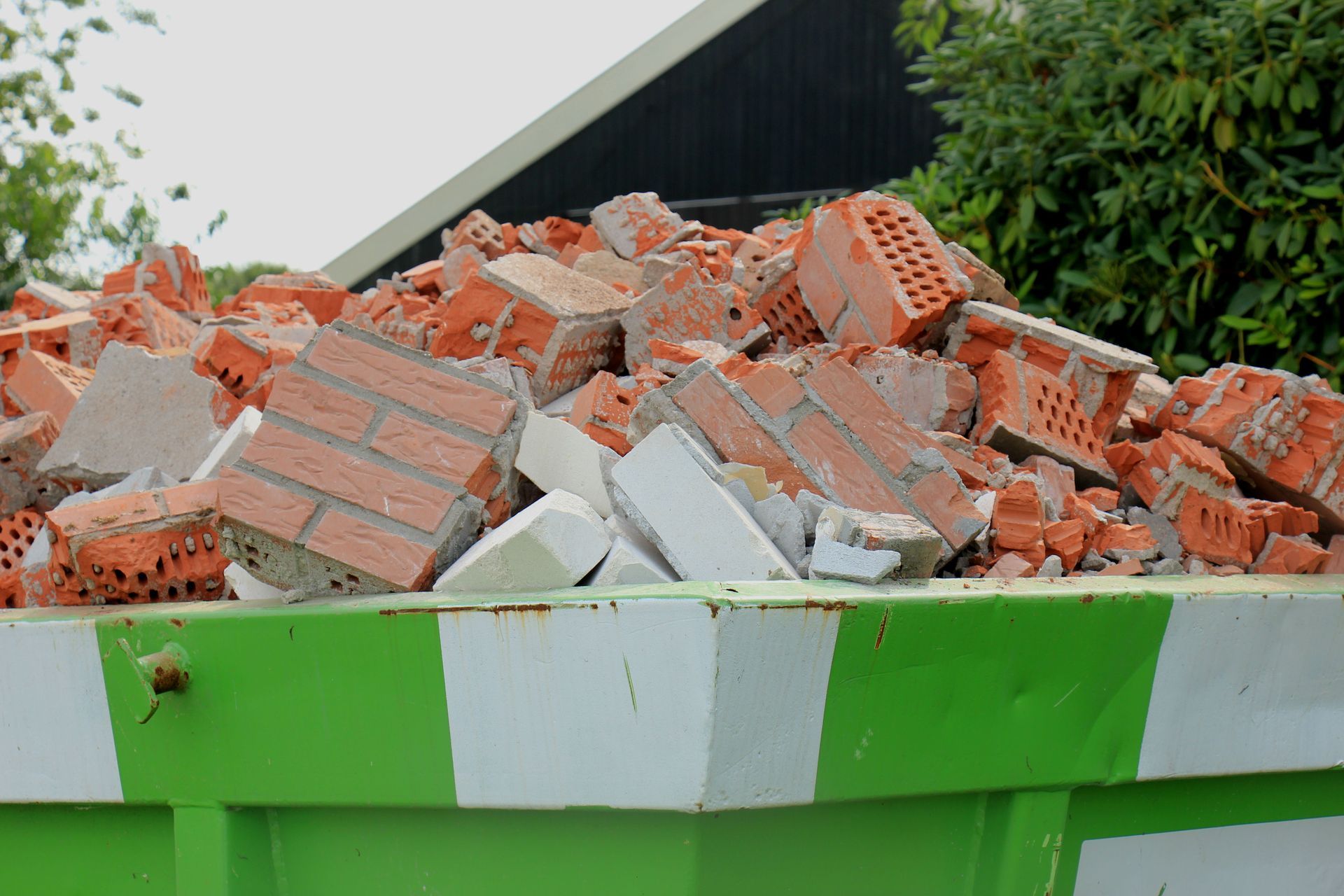
Weight limits on a dumpster rental play a major role in waste management planning because exceeding them can lead to added fees and logistical complications. Each dumpster has a maximum weight capacity based on safety standards and transportation regulations. Heavier materials such as concrete, brick, and metal can reach these limits quickly, even if the container does not appear full. Understanding material density and estimating weight accurately helps keep projects compliant and on budget.
Material density, measured as weight per cubic yard, directly affects how much debris a dumpster can safely hold. Construction and demolition projects commonly involve dense materials that place greater strain on containers and hauling equipment. Misjudging density can result in overfilled dumpsters, delays, or the need for additional containers. Separating heavy debris from lighter waste and planning disposal accordingly supports smoother operations and reduces unexpected setbacks.
Proper loading techniques also matter when managing weight limits. Placing denser materials at the bottom of the dumpster helps distribute weight evenly and maintains stability during transport. In some cases, dividing waste across multiple dumpsters may be more practical than overloading a single container. A thoughtful approach to weight, density, and loading improves efficiency while supporting responsible and compliant waste handling.
Planning for Project Timing and Duration
Project timelines play an important role in choosing the right dumpster size. Longer projects often generate waste in stages rather than all at once, which affects how quickly a dumpster fills. A container that works for short projects may become restrictive when debris accumulates over time. Factoring in how long the project will run helps prevent overflow and unnecessary interruptions. Evaluating each phase of the project ahead of time allows for more accurate planning of dumpster capacity.
Scheduling also impacts dumpster selection, especially when debris removal cannot happen immediately. Limited access to pickup services or restricted disposal hours can require extra capacity to handle delays. In these cases, a slightly larger dumpster provides flexibility and reduces pressure to manage waste daily. Planning allows projects to stay organized even when timelines shift. Communicating with dumpster rental providers about your schedule can further minimize unexpected disruptions.
Understanding how waste will be produced across the project timeline supports better decision-making. Demolition phases often generate heavy debris early, while finishing stages may involve lighter materials. Matching dumpster size to these phases avoids inefficient use of space. Coordinating timeline expectations with rental providers supports smoother progress and fewer adjustments. Tracking the volume of waste at each stage helps adjust dumpster needs proactively.
Considering Property Space and Placement Limitations
Available space on a property can influence which dumpster sizes are practical. Driveway width, surface strength, and surrounding obstacles all affect placement options. Larger dumpsters require more room and may not be suitable for tighter residential settings. Measuring the placement area in advance helps avoid last-minute complications.
Surface conditions also matter when selecting a dumpster size. Heavier containers may stress asphalt, concrete, or landscaped areas, especially when filled with dense debris. Choosing a size that fits both volume needs and surface limitations helps protect property while maintaining accessibility. This balance supports safer and more efficient waste handling. Inspecting the placement area beforehand can prevent damage and simplify setup.
Local regulations and access restrictions should also be reviewed before finalizing a dumpster size. Some neighborhoods require permits for street placement or limit container dimensions. Factoring in these requirements early prevents delays and compliance issues. Thoughtful planning around space and placement leads to a smoother dumpster rental experience and fewer disruptions.
Choosing the right dumpster rental size is essential for keeping projects on schedule, within budget, and free from unnecessary complications. Assessing project scope, waste type, weight, and placement allows for smoother operations and more efficient cleanup. With careful planning and informed decisions, homeowners and contractors can manage debris effectively while maintaining a safe and organized worksite. Contact Appalachian Dumpster & Demolition today to find the perfect dumpster size for your project and simplify your waste removal process.