May 29, 2026
According to This Old House, 570 million tons of construction waste are created by Americans every year. Construction waste is one of the nation’s largest environmental concerns. Materials from demolition, renovation, roadwork, and new construction projects often end up in landfills, increasing pollution and reducing available landfill space. As cities continue to grow and infrastructure projects expand, managing construction debris has become more important than ever. A reliable dumpster rental service can help contractors and property owners manage waste more efficiently while supporting sustainability goals.
Plentiful Sources of Construction Waste
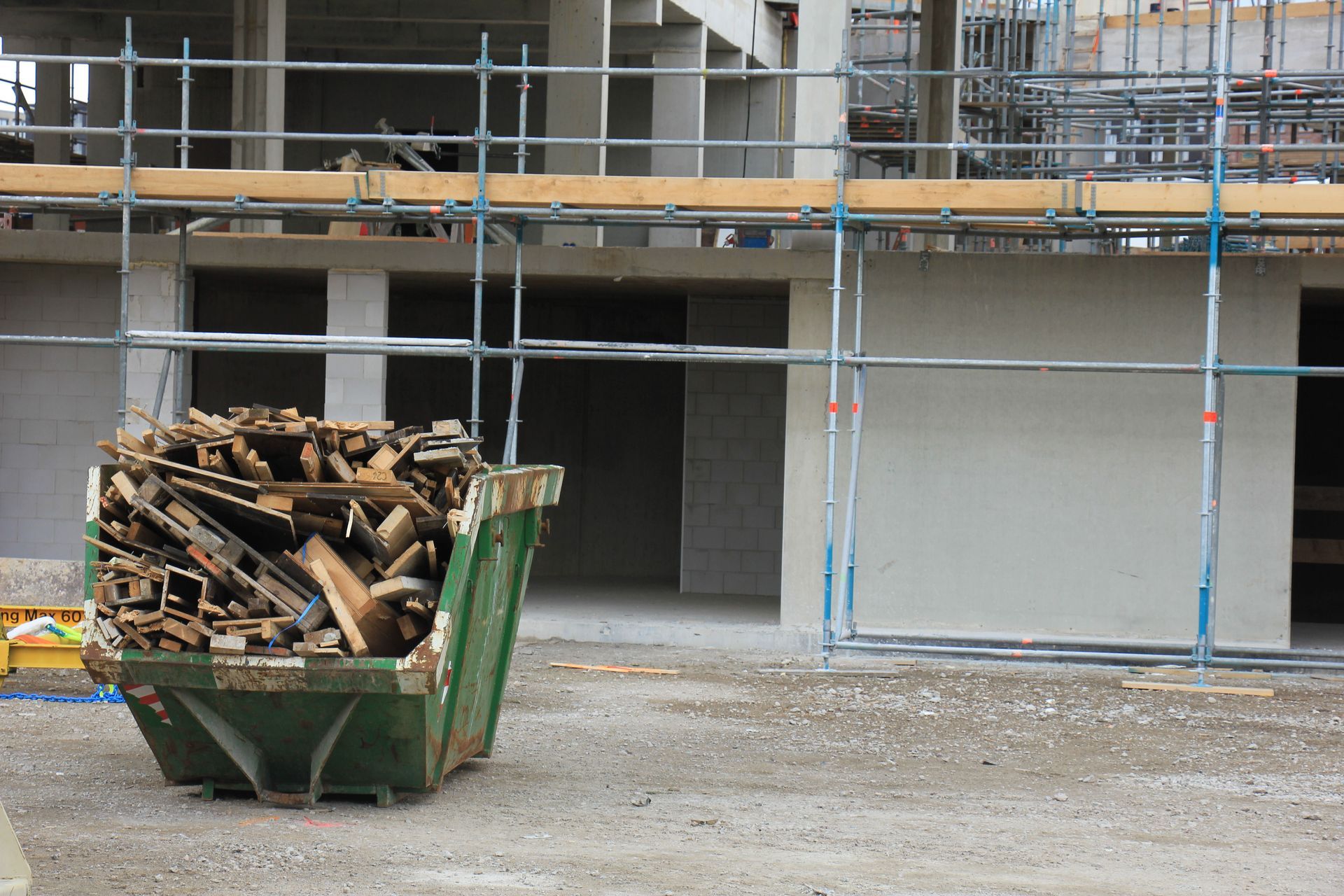
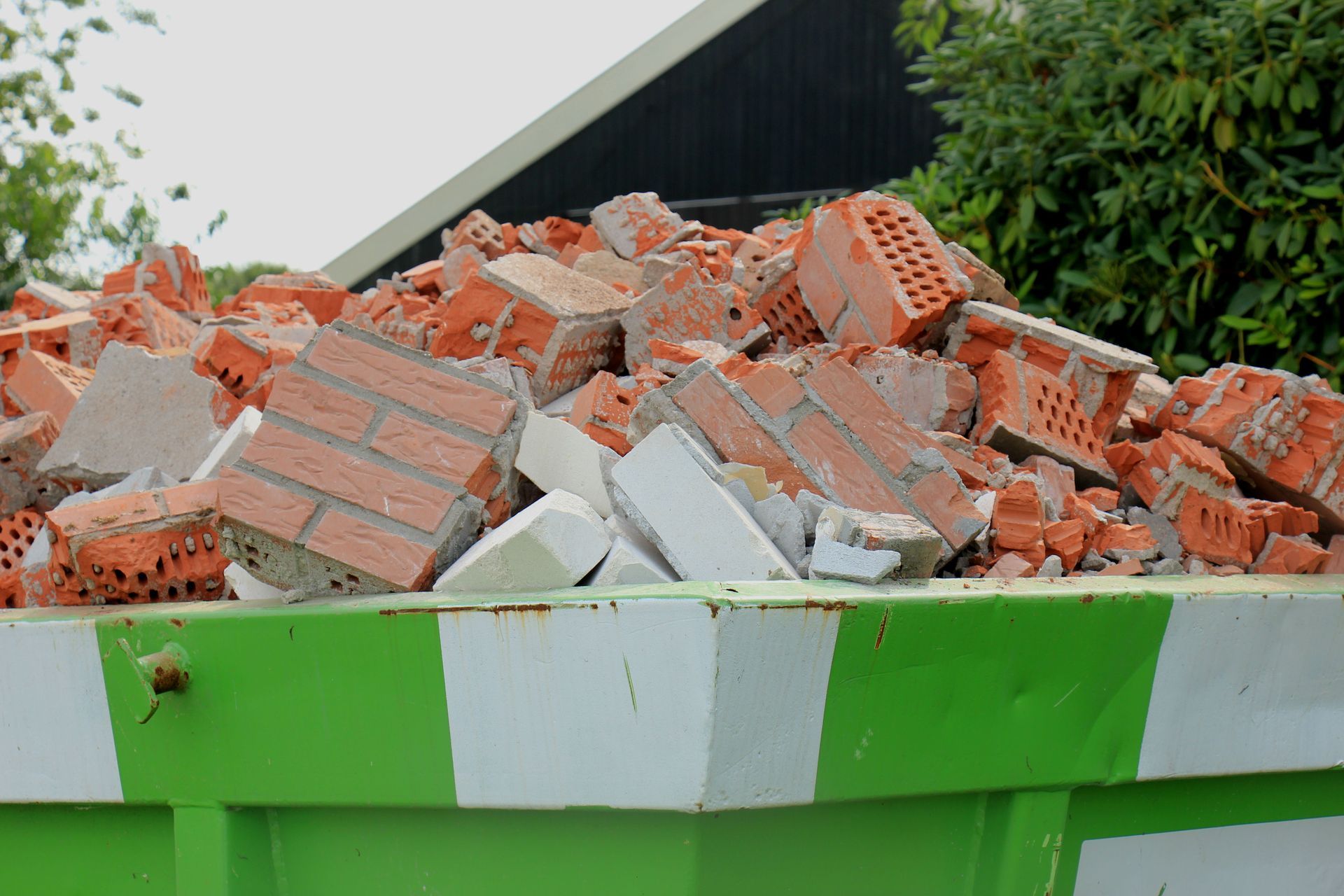
Construction waste includes concrete, wood, drywall, metals, plastics, bricks, asphalt, and insulation generated during building and demolition projects. Concrete and masonry debris account for much of the total volume because they are heavy and non-biodegradable. Wood waste can sometimes be reused or recycled, though treated wood may contain hazardous chemicals that require special handling. Metals are highly recyclable but are often mixed with other debris, making separation more difficult.
The wide range of materials found on construction sites makes waste management more complex than standard residential trash disposal. Contractors must determine which materials can be recycled, reused, or safely disposed of. Improper handling of debris can increase costs, delay projects, and create environmental hazards.
Waste production also varies by region. Urban areas typically generate larger volumes due to constant development and demolition projects, while rural areas produce less waste overall. Economic growth and housing booms often increase waste levels significantly. Because of these variations, contractors frequently rely on dumpster rental solutions to simplify cleanup and disposal during projects of all sizes.
Construction waste comes from several major activities, including home remodeling, commercial development, bridge repairs, and road construction. Demolition projects usually produce the largest amount of debris because entire structures are torn down and removed at once. Renovation work can also create substantial waste, especially when replacing drywall, flooring, roofing, and fixtures.
The construction industry has historically relied on landfills as the primary solution for debris disposal. However, rising landfill costs and stricter environmental regulations have encouraged businesses to explore recycling and waste reduction methods. Today, more companies are recognizing the importance of sustainable practices and organized waste management systems.
Environmental Effects of Construction Waste
As landfills fill up, communities face higher disposal costs and the need for additional landfill sites. Improperly managed waste can release methane gas, contributing to climate change and environmental degradation.
Construction debris can also pollute air, soil, and water. Hazardous materials such as asbestos, treated wood, adhesives, and chemicals may contaminate surrounding ecosystems if not handled correctly. Dust and airborne particles from debris piles can negatively affect air quality and public health, especially near large construction zones.
Water contamination is another serious concern. Rainwater can carry harmful chemicals from improperly stored debris into nearby rivers, lakes, and groundwater supplies. This runoff may damage aquatic ecosystems and create health risks for surrounding communities.
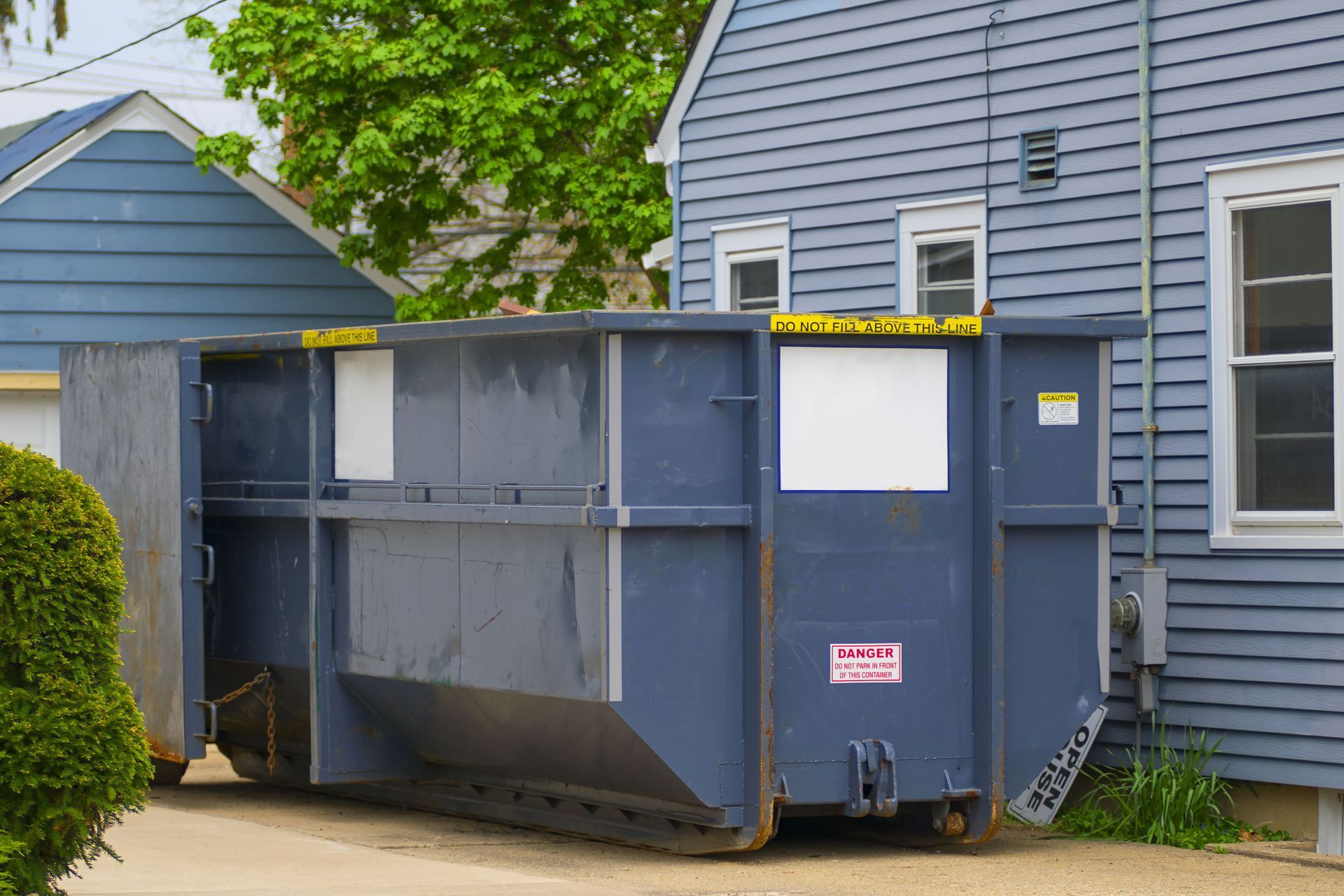
Using a dumpster rental company helps ensure waste is contained, transported, and disposed of properly. Organized disposal methods reduce the likelihood of illegal dumping and minimize environmental hazards on active jobsites.
The construction industry also contributes to greenhouse gas emissions through the disposal of reusable materials. Recycling concrete, metals, and wood reduces the need for virgin resources and lowers the environmental footprint of construction projects. Sustainable waste practices combined with professional dumpster rental services can help reduce these impacts while promoting cleaner communities.
Current Waste Management Practices
Traditional construction waste management often focuses more on disposal than recycling. Some materials, such as concrete and asphalt, are crushed and reused as road base or fill material. Metals are commonly separated for recycling because of their economic value.
However, recycling efforts remain inconsistent across the industry. Many projects still use mixed debris containers, making material separation difficult. Limited space on jobsites and tight project schedules can also prevent workers from sorting materials effectively. Separate containers for wood, metal, and general debris allow contractors to recycle more materials while maintaining safer working conditions.
Government regulations also influence waste management procedures. Some states and municipalities require contractors to submit waste management plans before construction begins. These regulations aim to reduce landfill use and encourage recycling, although enforcement varies by location.
Some cities have introduced penalties for excessive landfill disposal or incentives for recycling construction materials. These policies encourage contractors to adopt more sustainable waste management practices. Construction companies that fail to comply with regulations may face fines, project delays, or additional disposal costs.
The cost of waste management can significantly affect project budgets. Disposal fees, transportation expenses, and labor costs all contribute to the overall price of handling construction debris. By using organized waste management systems and efficient dumpster rental services, contractors can often reduce unnecessary expenses and improve project efficiency.
Smarter Waste Reduction with Improved Technology
Advances in technology are improving construction waste management. Automated sorting systems now separate recyclable materials more efficiently, making recycling more practical and cost-effective. These innovations reduce landfill dependency and increase opportunities for material reuse.
Modern building methods also help minimize waste. Prefabrication and modular construction improve material accuracy and reduce excess debris at the jobsite. By manufacturing building components in controlled environments, contractors can reduce errors and prevent unnecessary material waste.
Digital waste tracking tools allow contractors to monitor recycling rates and disposal methods in real time. These systems help businesses identify waste patterns and improve decision-making throughout the construction process.
Many contractors now pair these technologies with dumpster rental services to streamline waste removal and maintain cleaner, safer jobsites. Efficient waste handling not only benefits the environment but can also reduce project costs and delays.
Smart construction planning is another important factor in reducing waste. Accurate measurements, better inventory management, and improved communication between teams can prevent over-ordering materials and reduce excess debris. Even small improvements in planning can create significant long-term savings.
Some companies are also exploring deconstruction instead of traditional demolition. Deconstruction involves carefully dismantling structures so materials can be salvaged and reused. This process reduces landfill waste while preserving valuable resources such as wood, steel, and fixtures.
Sustainable Solutions and Policies
Federal, state, and local regulations continue to shape the future of construction waste management. Recycling mandates, landfill restrictions, and sustainability incentives encourage companies to adopt greener practices. Tax credits and grants can motivate businesses to invest in recycling programs and eco-friendly equipment.
Community involvement is also essential. Recycling initiatives, educational programs, and partnerships between local governments and private businesses can help reduce landfill waste and increase environmental awareness. Construction companies that combine recycling programs with dependable dumpsters are often better equipped to meet sustainability goals.
Educational campaigns can further improve waste management practices by teaching contractors, workers, and residents about recycling opportunities and environmental responsibility. Public awareness programs help communities understand how construction waste affects the environment and why sustainable practices matter.
Partnerships between public and private organizations can also encourage innovation. Local governments may work with construction companies to expand recycling facilities, improve disposal infrastructure, and develop environmentally friendly building practices.
Businesses that prioritize sustainability often benefit from improved reputations and stronger relationships with customers and communities. As environmental concerns continue to grow, sustainable construction practices are becoming a competitive advantage in the industry.
Responsible for the Future
Reducing construction waste requires cooperation between contractors, government agencies, and local communities. Recycling, improved technology, and responsible disposal practices can significantly lower the environmental impact of construction projects.
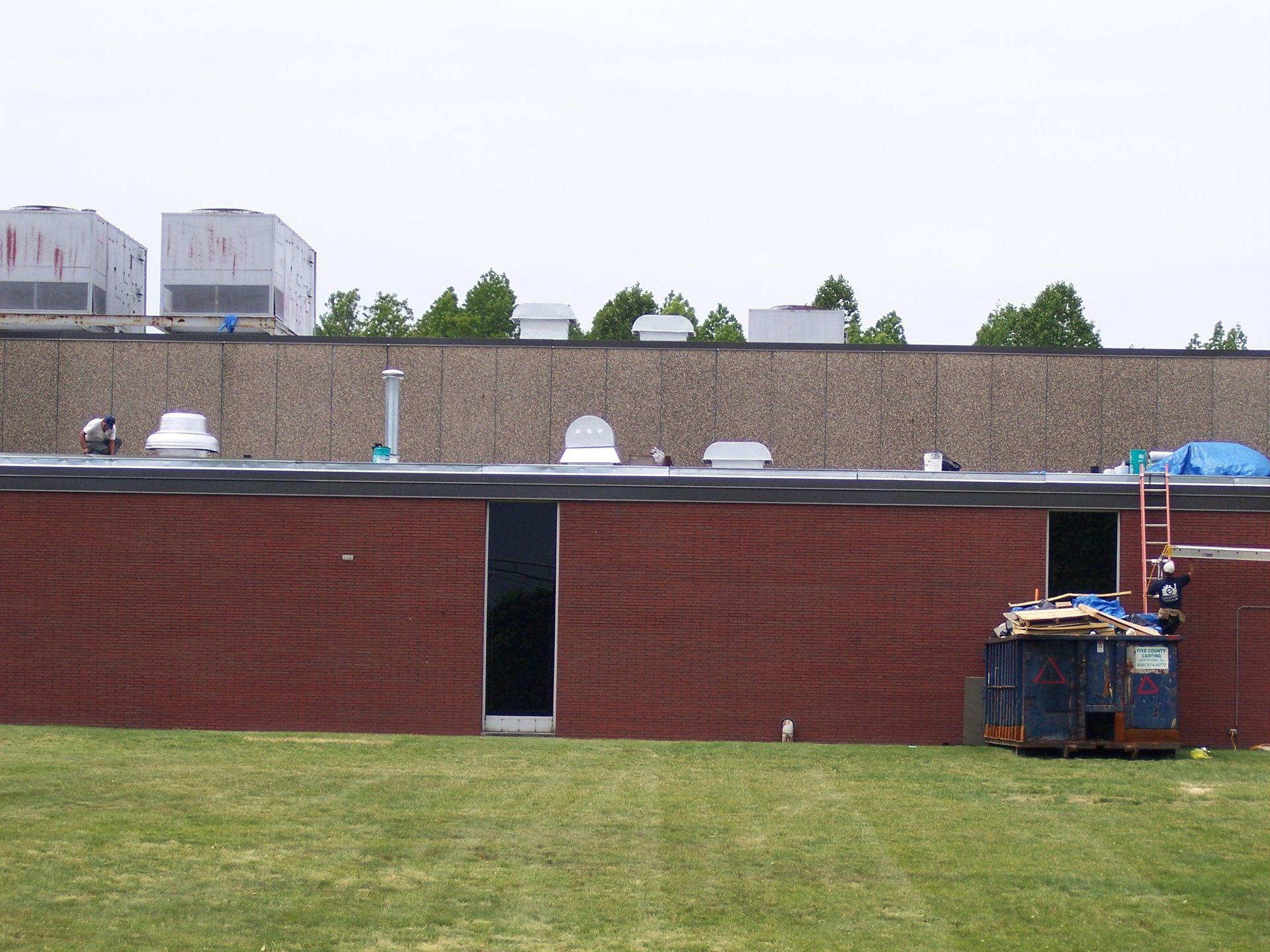
Professional dumpster rental services play an important role in this effort by helping construction teams manage debris safely and efficiently. Organized waste removal improves jobsite safety, reduces cleanup time, and supports compliance with local regulations.
The future of construction waste management will likely focus on greater recycling rates, improved technology, and stricter environmental standards. As sustainability becomes a larger priority across the industry, companies that adopt efficient waste management strategies will be better positioned for long-term success.
Investing in recycling programs, advanced sorting technology, and dependable dumpster rental services can help reduce landfill use and conserve valuable natural resources. These efforts not only protect the environment but also create cleaner and more efficient construction practices.
As America continues to expand its infrastructure and housing development, addressing construction waste will remain a major challenge. Through collaboration, innovation, and responsible waste management, the construction industry can reduce its environmental impact while supporting economic growth and community development. Get in touch with Appalachian Dumpster & Demolition for waste management services you can count on.