May 12, 2026
Most people know someone who loves collecting something. It could be vintage records, comic books, sports memorabilia, antiques, or seasonal décor. Collecting can be an enjoyable hobby that brings personal satisfaction and even financial value. However, there is an important difference between a well-managed collection and a living situation overwhelmed by clutter. When belongings begin taking over hallways, bedrooms, kitchens, and other functional areas of a home, families may start wondering whether a loved one needs help. In many cases, restoring a safe environment may require emotional support, professional organization strategies, and practical cleanup solutions, such as a dumpster rental service, to handle large amounts of unwanted items responsibly.
According to the International OCD Foundation, severe hoarding behaviors affect at least one out of every 50 people. That statistic highlights how common this issue can be and why families should approach it with understanding instead of judgment. Hoarding often stems from deeper emotional challenges, while collecting tends to involve intentional organization and purpose. Understanding the distinction is the first step toward helping a family member reclaim their home and improve their quality of life.
Recognition of the Difference Between Hoarding and Collecting
The biggest distinction between collecting and hoarding often comes down to organization and control. Collectors usually seek specific items and maintain systems for displaying, storing, or categorizing their belongings. They often take pride in their collections and can explain the significance of each item. Their homes generally remain functional, clean, and safe despite the number of possessions they own.
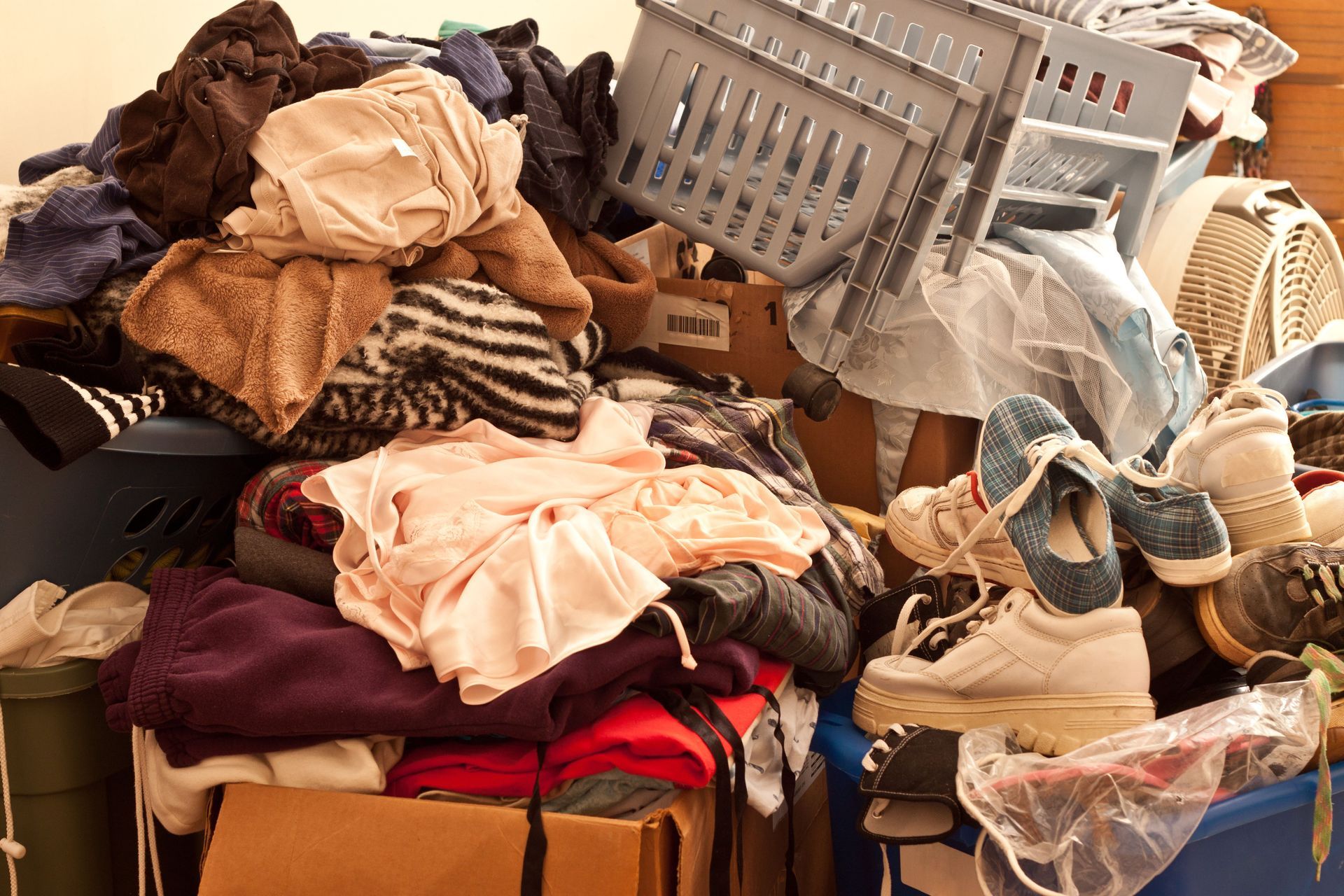
Hoarding, on the other hand, tends to create unsafe and overwhelming living conditions. Individuals may struggle to discard items that others consider useless, such as expired products, broken furniture, newspapers, or damaged clothing. These possessions may accumulate until rooms become inaccessible or hazardous.
Another key difference is emotional distress. Collectors can typically part with certain items without experiencing extreme anxiety. Someone dealing with hoarding behaviors may feel panic, grief, or anger when asked to throw something away. This emotional attachment often makes cleanup efforts more complicated than simply renting a truck or filling trash bags.
Families may also notice warning signs such as blocked exits, pest infestations, mold growth, fire hazards, or unusable bathrooms and kitchens. In severe cases, cleanup may require a professional hauling team and a dumpster rental service to safely remove large volumes of debris while keeping the process manageable.
Communication That Encourages Progress
Conversations about hoarding can quickly become emotional if handled poorly. Telling someone they are “living in filth” or demanding they throw everything away may cause defensiveness and resistance. A calmer, more compassionate approach usually leads to better outcomes.
Start by expressing concern about health and safety rather than criticizing their habits. For example, mention concerns about tripping hazards, blocked walkways, or sanitation issues. Focus on specific observations rather than broad accusations.
It is also important to listen. Many people struggling with hoarding have emotional reasons for holding onto possessions. Items may represent memories, grief, financial fears, or unresolved trauma. Giving your family member space to explain their feelings can help build trust during difficult conversations.
Set realistic goals instead of expecting an immediate transformation. Clearing one room, one closet, or one section of a garage may feel far less overwhelming than attempting an entire-house cleanup in a single weekend. During larger projects, a dumpster rental service can simplify disposal logistics and keep progress moving without repeated trips to local landfills.
If your loved one refuses help, consider involving mental health professionals who specialize in hoarding disorder. Therapists and counselors may help address the root causes of excessive accumulation while families provide practical support.
Organization of a Safe Cleanup Plan
Once your family member agrees to begin decluttering, creating a structured plan can prevent the process from becoming chaotic. Start by identifying the most urgent safety concerns. Areas with blocked exits, fire risks, pest problems, or unsanitary conditions should be prioritized first.
Break belongings into categories such as keep, donate, recycle, sell, and discard. This process allows your loved one to maintain some sense of control while gradually reducing clutter. Family members should avoid making decisions behind the person’s back, as that can damage trust and create setbacks.
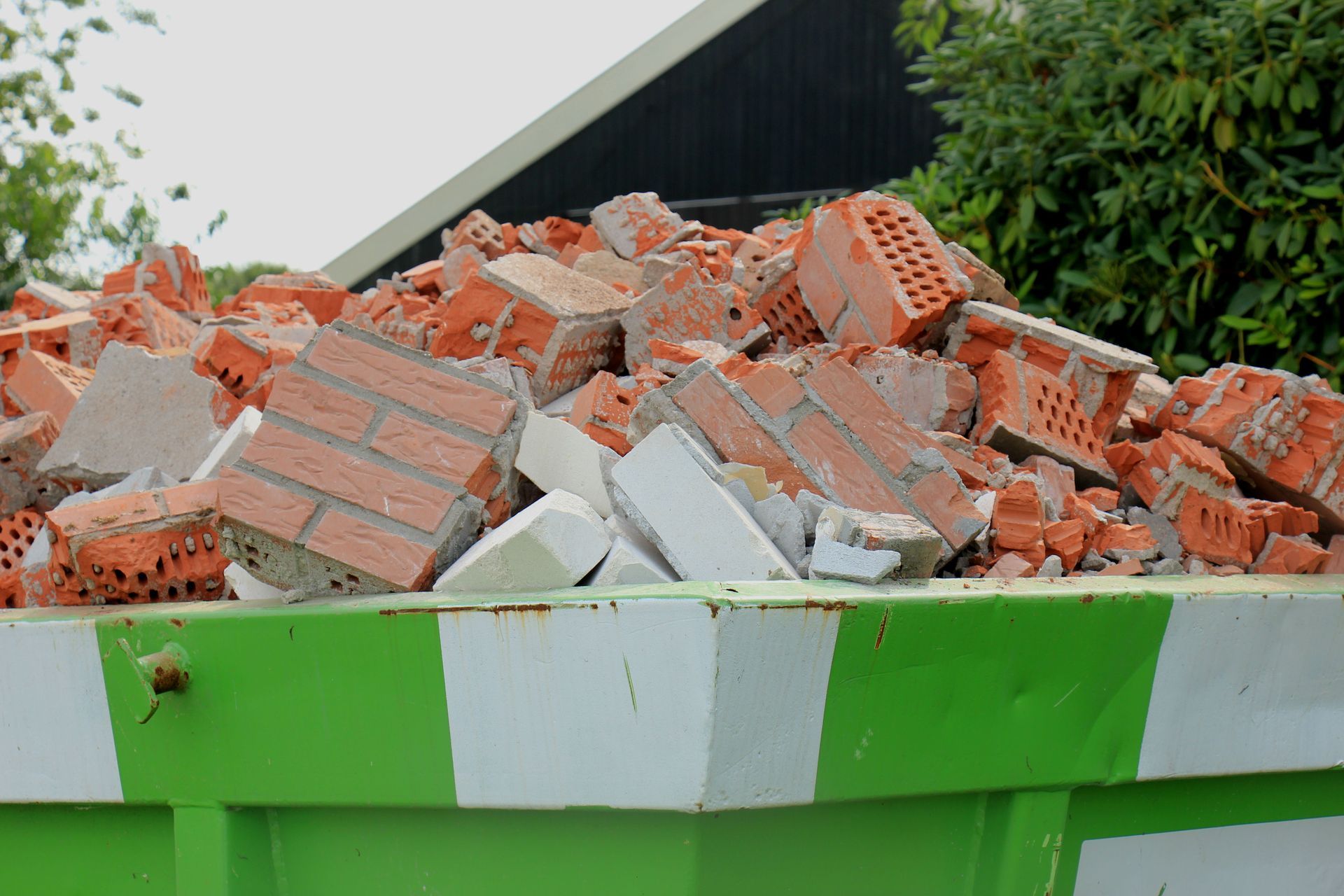
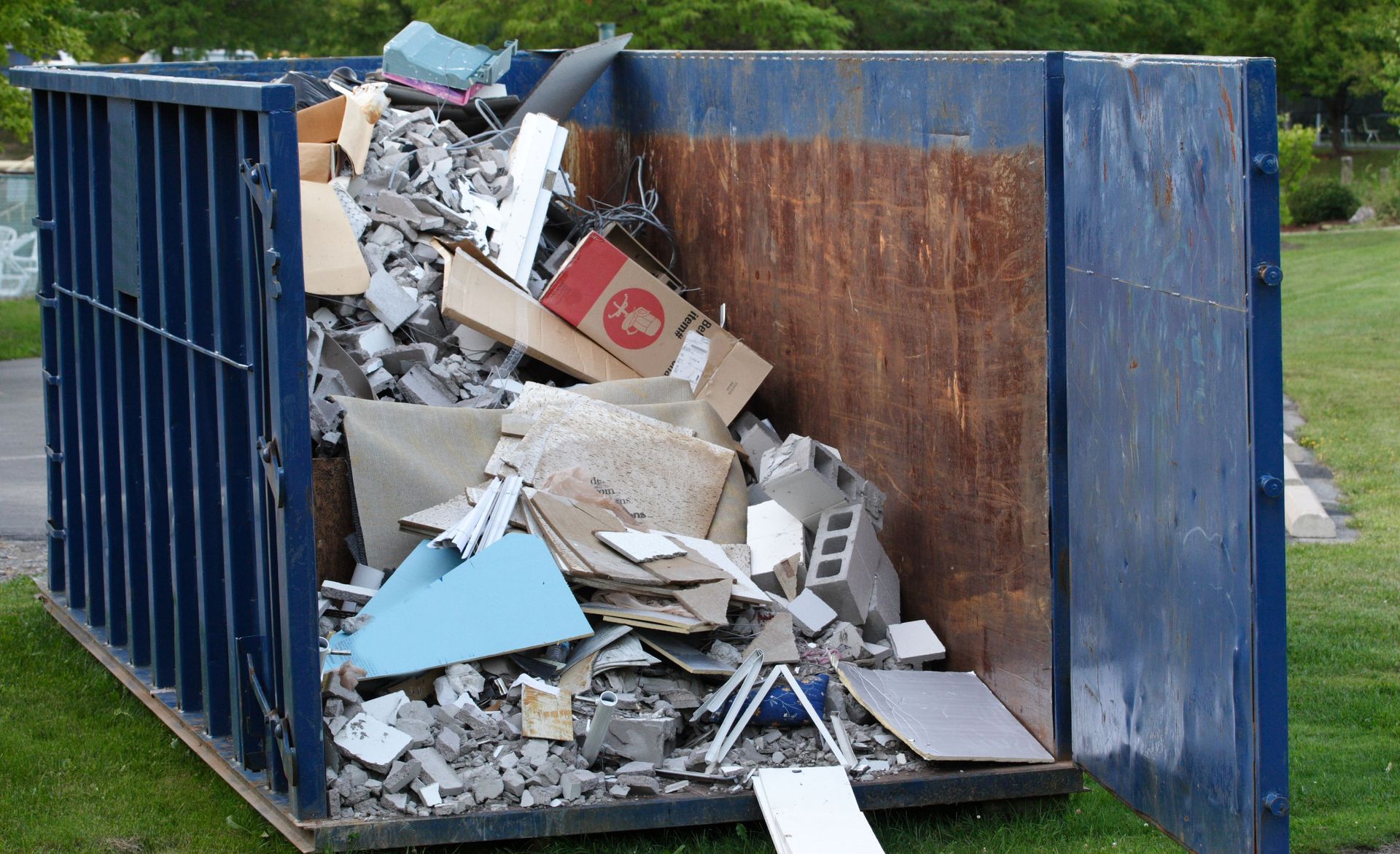
Large-scale cleanouts often generate more waste than people expect. Old mattresses, broken appliances, damaged furniture, and general debris can pile up quickly. A dumpster rental service helps families manage these items efficiently without overloading personal vehicles or waiting for municipal bulk pickup days.
Hauling services can also be extremely helpful when dealing with heavy or awkward materials. Professional teams can remove large amounts of clutter safely while reducing physical strain on family members.
If the property contains damaged sheds, unsafe garages, or deteriorating structures filled with junk, professional demolition and removal services may also be necessary. Removing these unsafe spaces can create a fresh start for the homeowner and eliminate areas where clutter tends to accumulate.
Maintenance of Long-Term Habits
Cleaning a hoarded home is only part of the solution. Without long-term strategies, clutter can gradually return. Families should help their loved ones create habits that support lasting organization.
Regular donation schedules can prevent unnecessary accumulation. Encourage your family member to review belongings monthly and identify items they no longer use. Small, consistent efforts are often more sustainable than major cleanouts every few years.
Storage systems also make a difference. Shelving units, labeled bins, and filing systems can help maintain order while keeping sentimental items accessible. When overflow becomes a recurring issue, it may be time to reassess purchasing habits.
Families should also watch for emotional triggers that lead to excessive accumulation. Stress, grief, loneliness, and major life transitions can all contribute to hoarding behaviors. Continued therapy or support groups may help individuals manage these emotions in healthier ways.
For seasonal cleanups, renovation projects, or major decluttering efforts, a dumpster rental service can provide a convenient way to prevent clutter from building back up. Some families also use hauling professionals for recurring cleanouts when older relatives need extra assistance.
Maintaining a safe home may occasionally require additional support through hauling services, especially when furniture replacement, estate cleanouts, or downsizing projects create excess waste. A dumpster rental service helps families stay proactive instead of waiting until clutter becomes unmanageable again.
Prevention of Future Clutter Challenges
After a major cleanup, families often feel relieved—but staying organized requires ongoing effort. Without clear boundaries, clutter can slowly return through impulse purchases, sentimental attachments, or a habit of saving items “just in case.” Establishing household rules about what comes into the home can help maintain progress and prevent living spaces from becoming overcrowded again.
One effective strategy is adopting a one-in, one-out policy. If a new item enters the home, an older or unused item should be donated, recycled, or discarded. Families can also schedule quarterly decluttering sessions to evaluate storage areas before clutter becomes overwhelming. These routine check-ins make it easier to address small problems before they grow into major obstacles.
For larger seasonal cleanouts, estate transitions, or downsizing efforts, a dumpster rental service can provide a practical way to remove unwanted items quickly. Having a designated place for debris, broken furniture, and non-donatable belongings helps families stay organized while reinforcing healthier long-term habits.
Helping a family member overcome hoarding tendencies requires patience, empathy, and practical planning. Understanding the difference between collecting and hoarding allows families to respond with compassion while creating safer living environments. With the right emotional support, structured cleanup strategies, professional hauling help, and a reliable
dumpster rental service, families can make meaningful progress toward reclaiming valuable living space.
When clutter feels overwhelming, Appalachian Dumpster & Demolition is ready to help make cleanup easier. From roll-off containers to hauling services and demolition support, our team offers practical solutions for projects of every size. Contact Appalachian Dumpster & Demolition today to take the first step toward creating a cleaner, safer home.